13 Swale Landscaping Ideas That Fix Drainage in Style Now
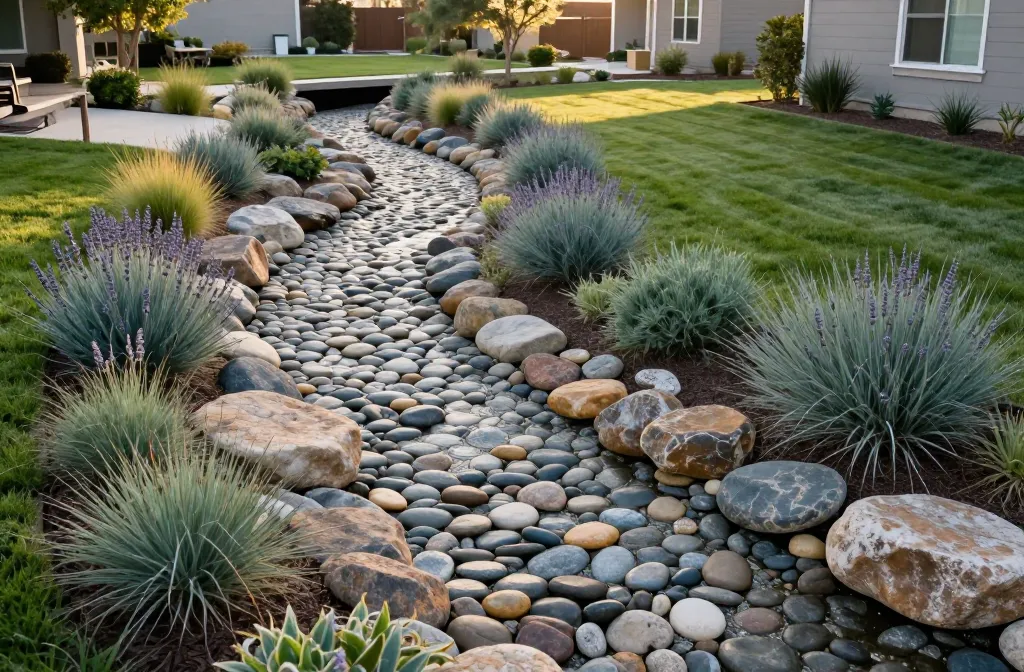
Rain shouldn’t turn your yard into a slip-and-slide. A smart swale channels water exactly where you want it while looking ridiculously good. These ideas blend function and flair so your drainage fix doubles as a design upgrade. Ready to stop the soggy chaos and actually love your landscape?
1. Carve A Gentle, S-Curve Swale
Tired of snacking when you’re not even hungry? This reset helps you stop the loop and feel back in control.
A simple reset for moments when cravings take over. Easy to use, easy to repeat, and designed to help you feel satisfied instead of stuck.
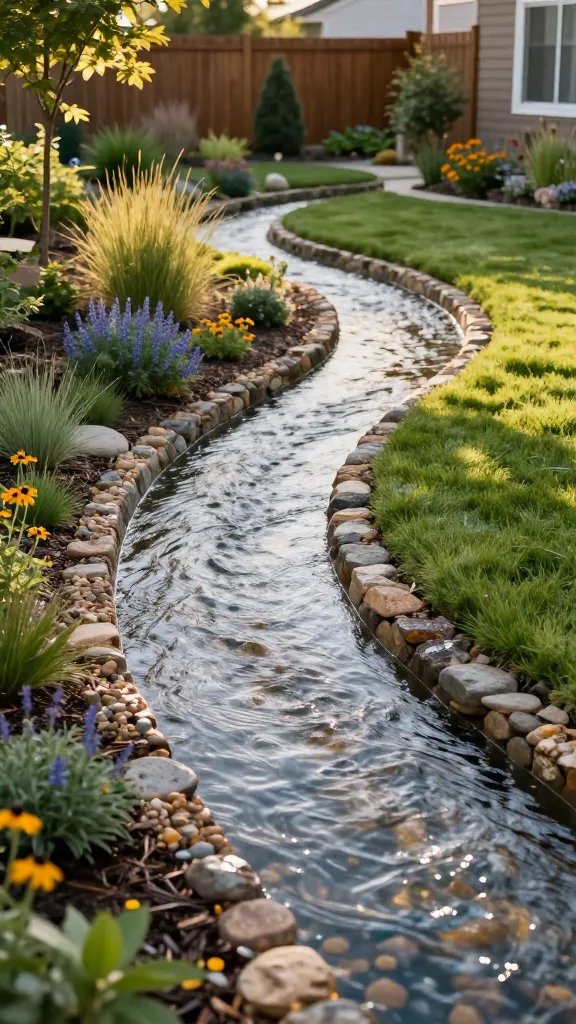
Straight lines scream “utility trench.” A soft S-curve looks natural, slows water, and shows intention. It guides flow without encouraging erosion, and it vibes with almost any garden style.
Tips For The S-Curve:
- Grade a consistent 1–3% slope toward the outlet.
- Widen the middle section where water collects the most.
- Feather the edges into lawn or beds for a seamless look.
Use this when you want a low-key fix that blends with existing plantings while still moving serious water.
2. Go Bold With A Dry Creek Bed
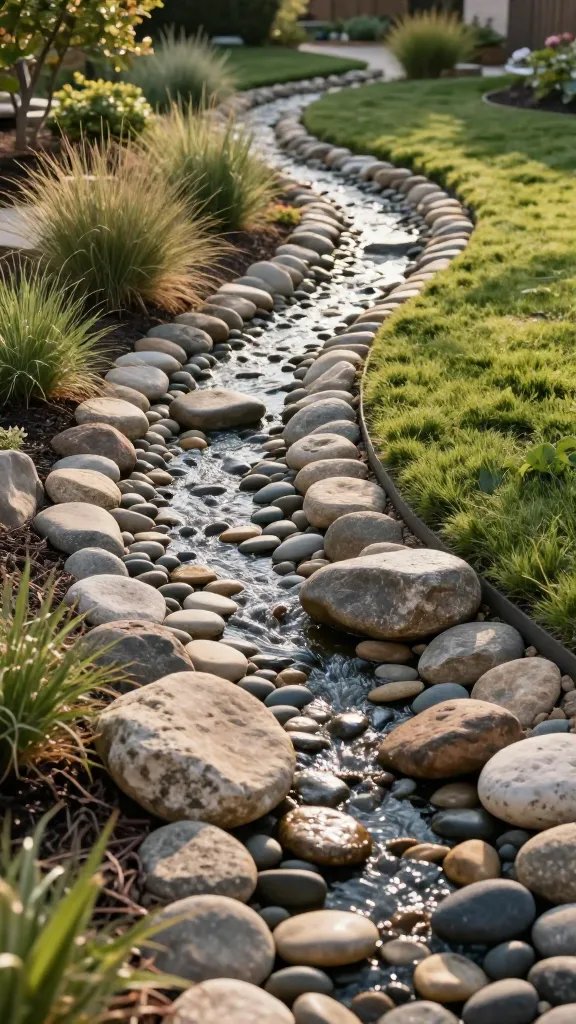
A dry creek bed makes drainage feel like a design moment. Think river stones, boulders, and a meandering channel that looks good even on sunny days. It handles gushers and doubles as a focal point.
Transform Your Home With 7,250+ Stunning Landscaping Designs—No Expensive Designers Needed!
- 🌿 Access 7,250+ stunning landscaping designs.
- 💰 Save thousands—no pro designer needed.
- 🏡 Plans for gardens, patios, walkways, and more.
- ✨ Simple, beginner-friendly DIY layouts.
- 🛠️ Customize any design to fit your yard.
Materials That Matter:
- River rock (1–3″) for the base
- Cobblestones and boulders to create riffles and visual weight
- Landscape fabric to prevent weeds from partying
Best when your yard gets heavy runoff and you want that zen, creekside vibe without calling the Corps of Engineers.
3. Layer A French Drain Under The Swale
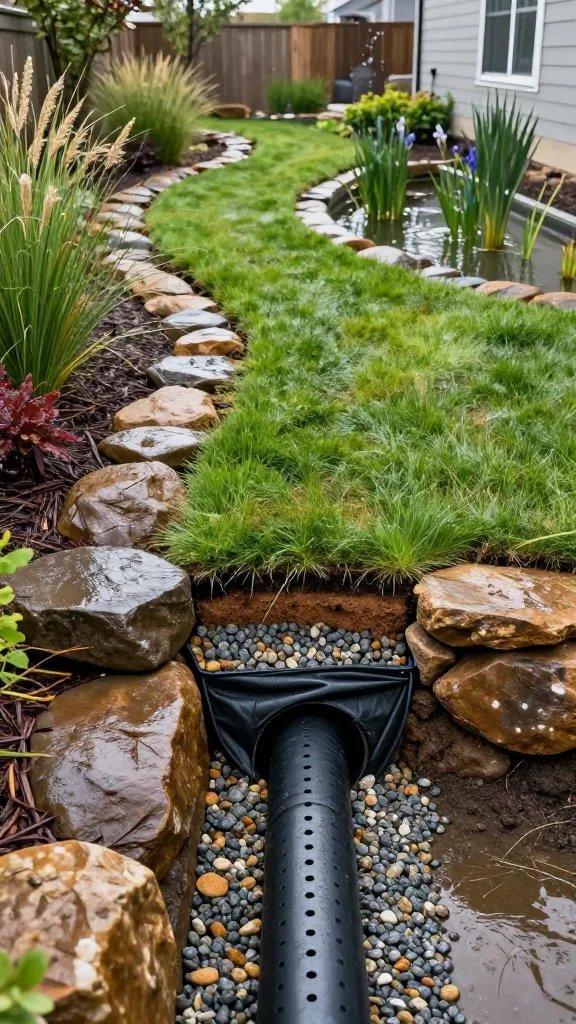
Sometimes surface flow isn’t enough. Add a perforated pipe wrapped in fabric and gravel under the swale to quietly pull in extra water. It’s stealth drainage with style on top.
How To Stack It:
- Dig the swale shape, then trench deeper in the centerline.
- Lay fabric, gravel, pipe (holes down), more gravel, then backfill and rock.
- Tie into a safe outlet like a rain garden or daylight drain.
Use this when your soil stays soggy or you fight standing water after every storm.
4. Plant A Native Meadow Swale
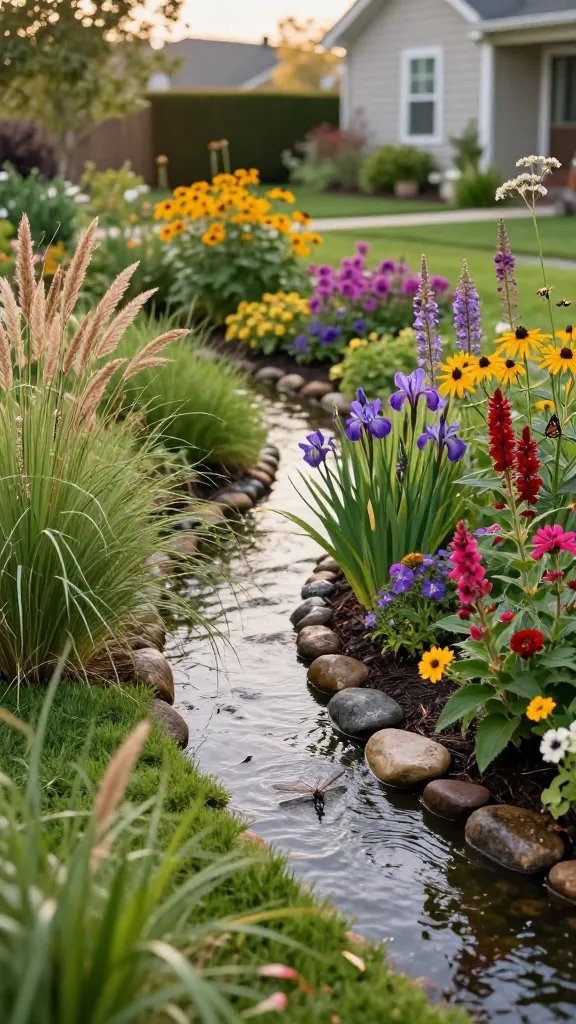
Turn your swale into a wildlife magnet. Native grasses and perennials drink up stormwater, stabilize soil, and bloom like they mean it. Maintenance drops once plants fill in.
Great Picks (By Function):
- Deep roots: Switchgrass, little bluestem, sedges
- Pollinator magnets: Black-eyed Susan, coneflower, bee balm
- Wet feet champs: Blue flag iris, cardinal flower, Joe Pye weed
Perfect for medium to large yards where you want lower mowing, more habitat, and serious absorption.
5. Add Check Dams For Speed Control
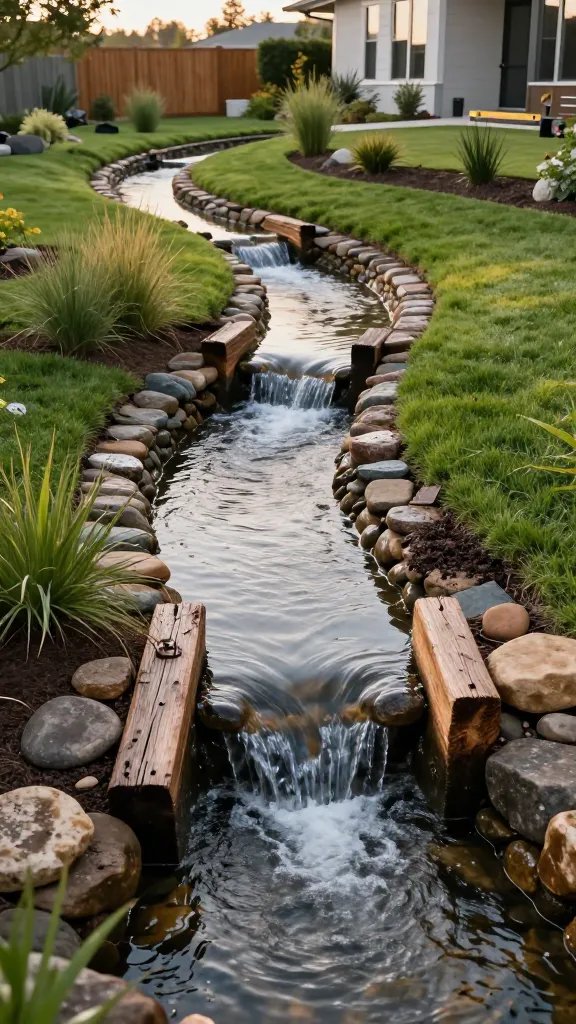
Fast water erodes everything. Small check dams made of stone or timber step the flow down and trap sediment. They also add texture and mini-waterfall charm when it rains.
Placement Basics:
- Set dams 10–20 feet apart depending on slope.
- Lower the center by 2–3 inches to direct overflow.
- Key sides into the banks so water can’t sneak around.
Use on steeper grades where you need to slow the roll while protecting your handiwork.

6. Create A Rain Garden Landing Zone
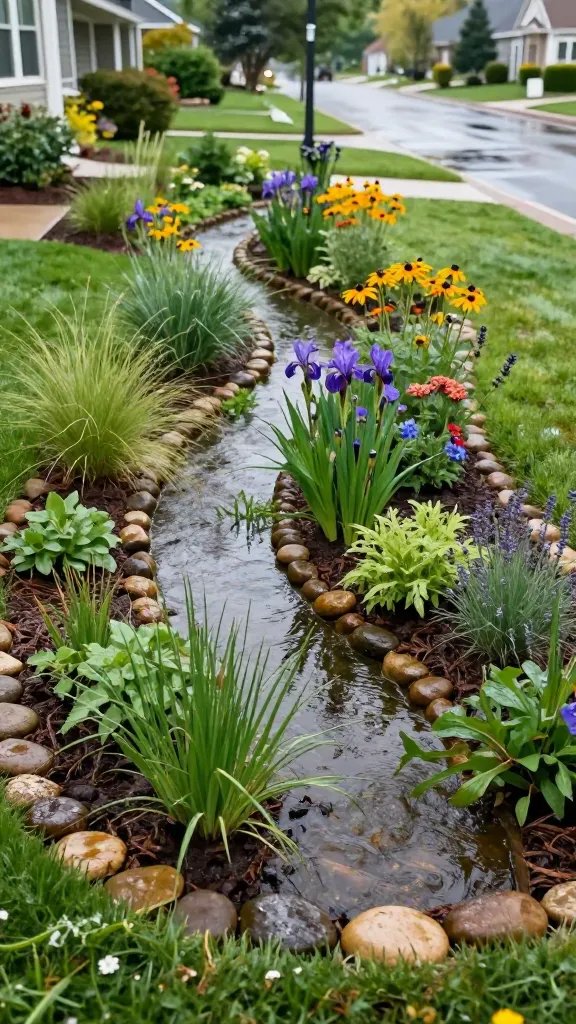
End your swale with a bang: a lush basin that gulps water. A rain garden holds runoff temporarily, filters pollutants, and looks like a mini oasis. It turns a problem into curb appeal.
Build Smart:
- Dig 6–12 inches deep with flat bottom and gently sloped sides.
- Amend with compost and sand if your soil drains slowly.
- Plant in zones: wet-testers in the center, drought-tough along the rim.
Best for yards that need an end-point to detain water before it heads to the storm drain.
7. Edge With Steel Or Stone For Crisp Lines
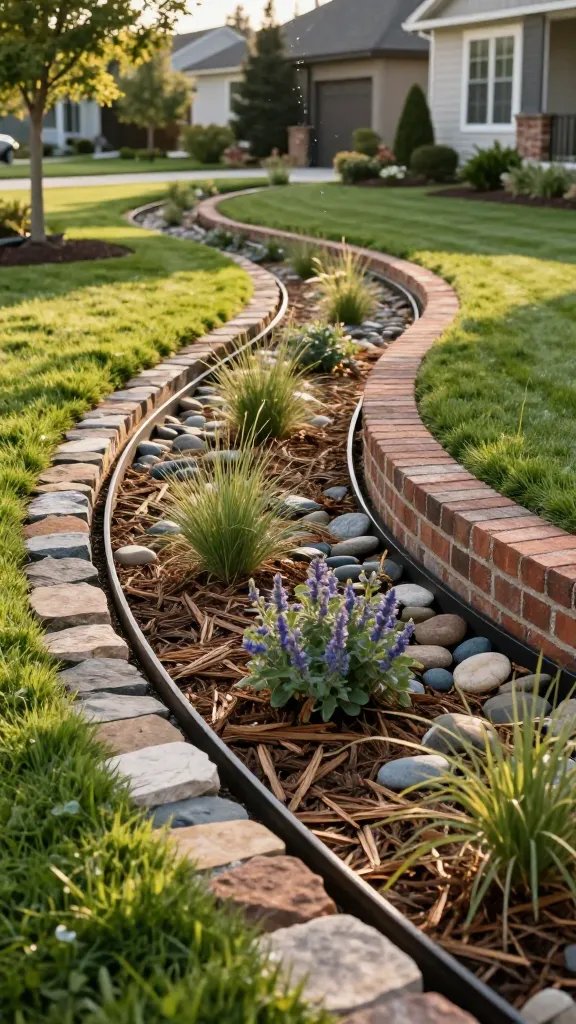
Crisp edges make any swale look custom. Steel, brick, or stone edging defines the channel, keeps mulch in place, and signals “intentional design” rather than “oops, erosion.”
Edging Options:
- Steel for sleek, modern lines
- Brick soldier course for classic vibes
- Natural stone for rustic charm
Choose this when you want low maintenance and a clean transition between lawn and swale.
8. Mix Rock Sizes For Texture And Stability
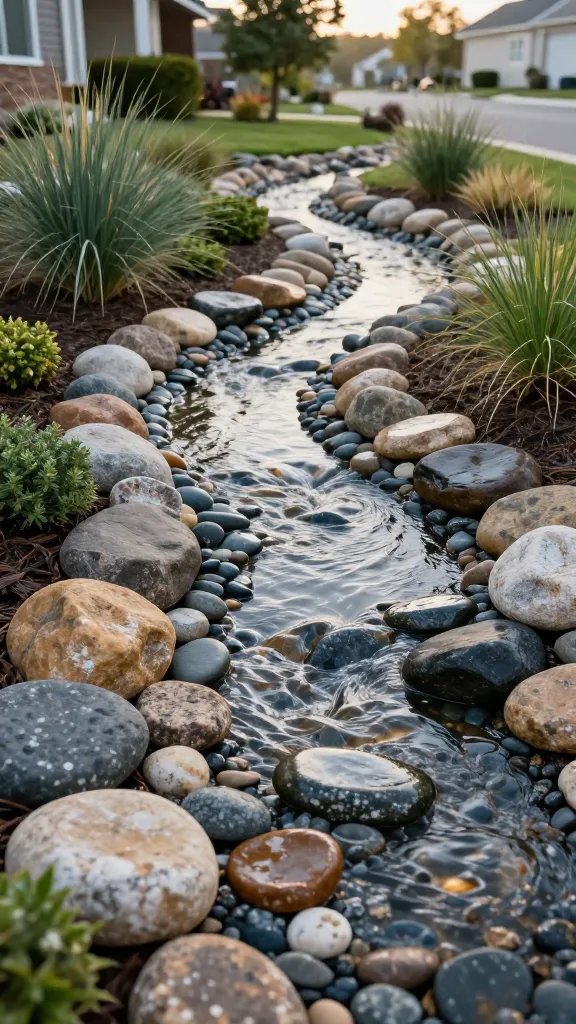
One-size rock slides around and looks flat. Blend pea gravel, river stones, and chunky cobbles to lock everything in and mimic real streams. It’s form plus function in one move.
Pro Blend (FYI, it just works):
- Base layer: 3/4″ crushed rock for drainage
- Visible layer: 1–3″ river rock for polish
- Accents: 6–12″ cobbles to anchor curves and turns
Great for swales that see variable flows and need to resist washouts, IMO.
9. Hide Gutters With Rock “Spillways”
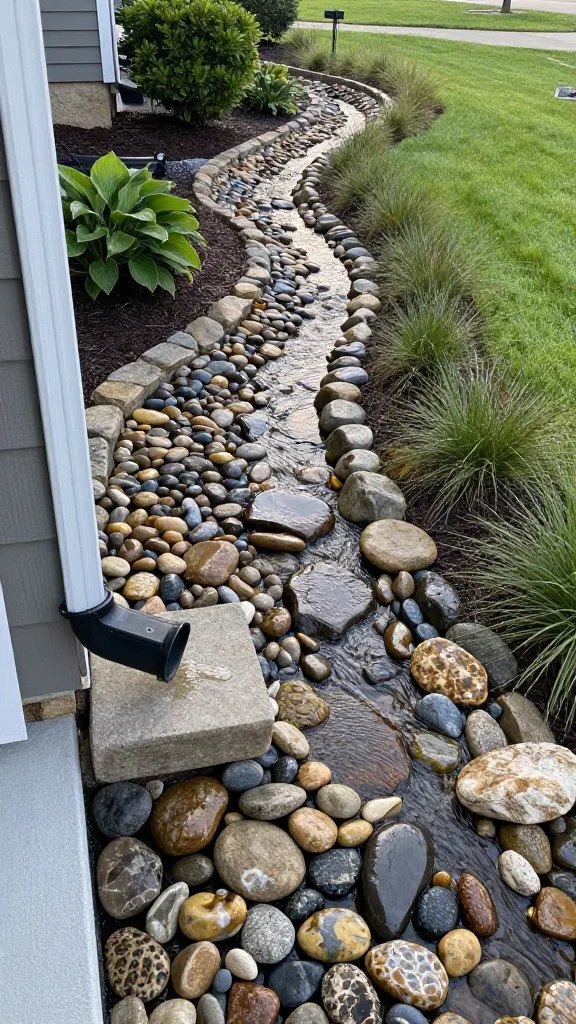
Downspouts can blast craters in your yard. Connect them to the swale with a rock spillway that spreads energy and looks intentional. No more muddy splash zones next to your foundation.
What To Include:
- Downspout adapter to direct water
- Flat stone or splash block starter
- Flared rock apron that feeds the swale
Use this if your gutters currently dump water where they shouldn’t and you like neat solutions.
10. Add Stepping Stones For Access
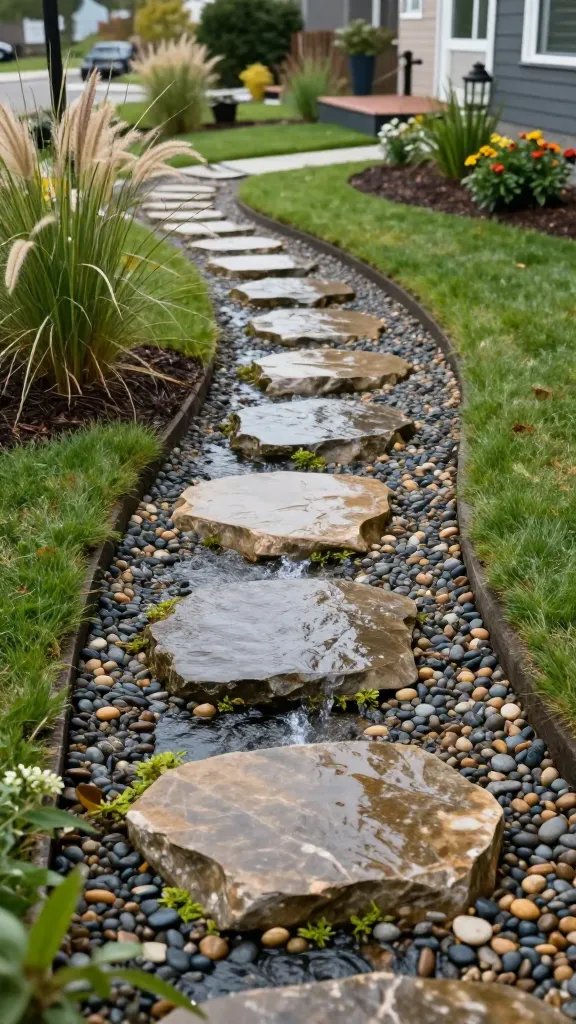
Want to cross the swale without soggy socks? Flagstone or timber steps turn a no-go zone into a charming path. They also subtly guide guests where you want them.
Placement Tips:
- Set stones slightly above average flow height.
- Anchor with gravel base so they don’t wobble.
- Stagger shapes for a natural, “I woke up like this” look.
Ideal in front yards or near patios where function needs to meet everyday foot traffic.
11. Light It Up With Low-Voltage LEDs
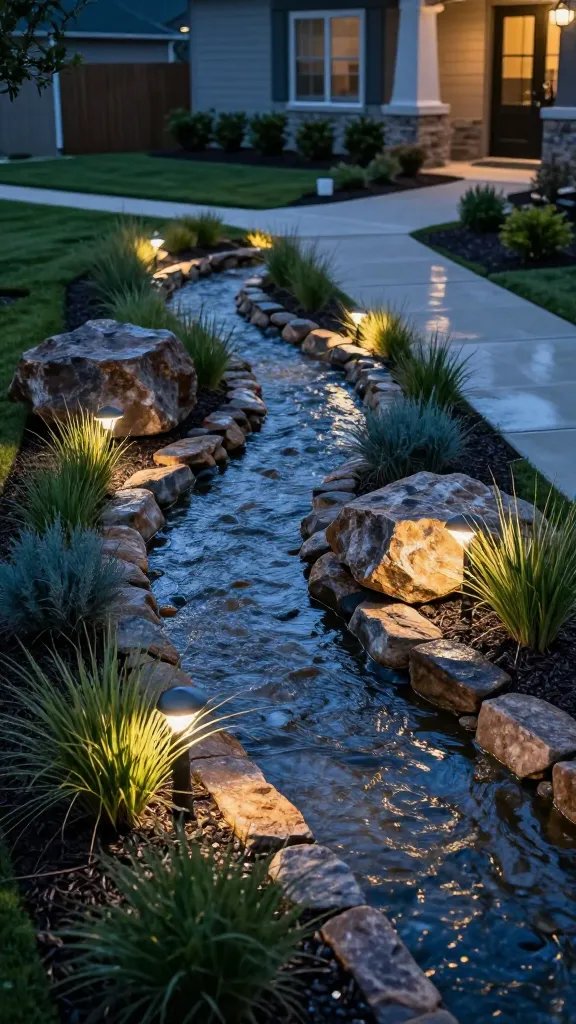
Rain or shine, lighting makes your swale look luxe. Low-voltage path lights or hidden uplights on boulders add drama and boost safety. Nighttime curb appeal? Yes please.
Lighting Ideas:
- Warm-white path lights along curves
- In-grade LEDs to graze rock textures
- Solar markers if you want super-easy install
Best when you’ve nailed the hardscape and want that final polish that says “finished.”
12. Go Lush With Moss, Groundcovers, And Sedges
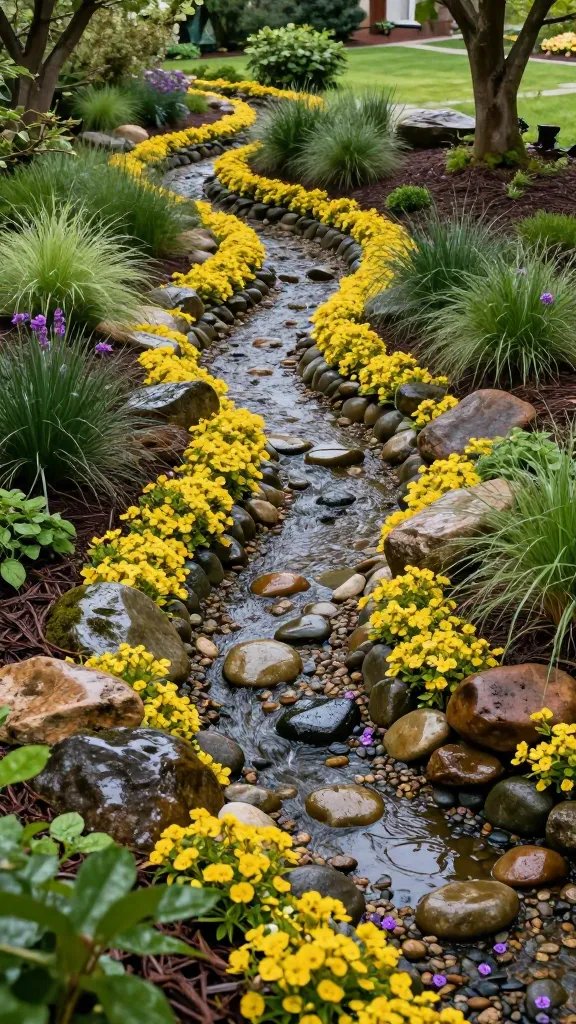
Bare rocks can feel stark. Tuck in groundcovers that can handle occasional wet feet to soften the edges and lock soil. The result looks established fast.
Plant Shortlist:
- Creeping Jenny for golden trails
- Mazus for tiny purple pops
- Carex (sedges) for tufted texture and drainage love
Perfect for shady or part-sun swales where you want a green ribbon all season.
13. Build A Disappearing Water Feature
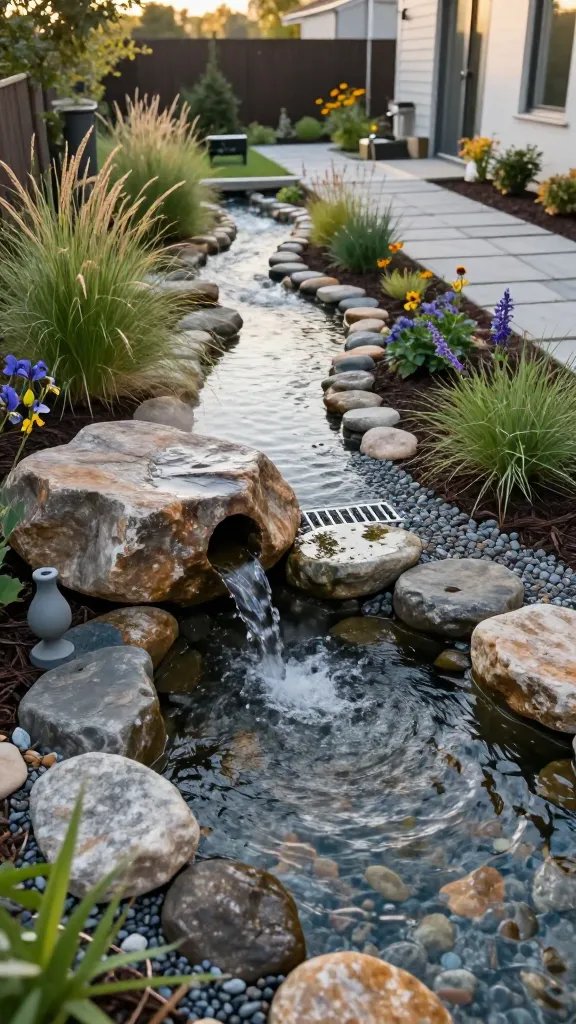
Make function feel like a spa moment. A hidden basin with a recirculating pump turns your swale’s outlet into a bubbling fountain that vanishes into gravel. During storms, the system still routes runoff—double win.
How It Works:
- Gravel-filled reservoir with pump and grate
- Spill rock or urn feature at the outlet
- Overflow routed to the rest of the swale system
Choose this when you want a statement piece that masks utility with soothing sound—seriously calming.
Ready to ditch puddles and brag a little? Pick a couple of these ideas, sketch your flow path, and start small. With the right mix of rocks, plants, and a tiny bit of grading math, your swale will fix drainage in style and make storms your favorite garden show.