Pro Tips: 13 Garden Design Landscaping Ideas That Look Professionally Done
You want a knockout garden that makes people ask, “Who did your landscaping?” Spoiler: you did. These ideas pack pro-level polish into doable moves you can tackle over a few weekends. Sharper lines, smarter plant choices, and small lux touches will make your yard look custom—fast. Ready to turn heads?
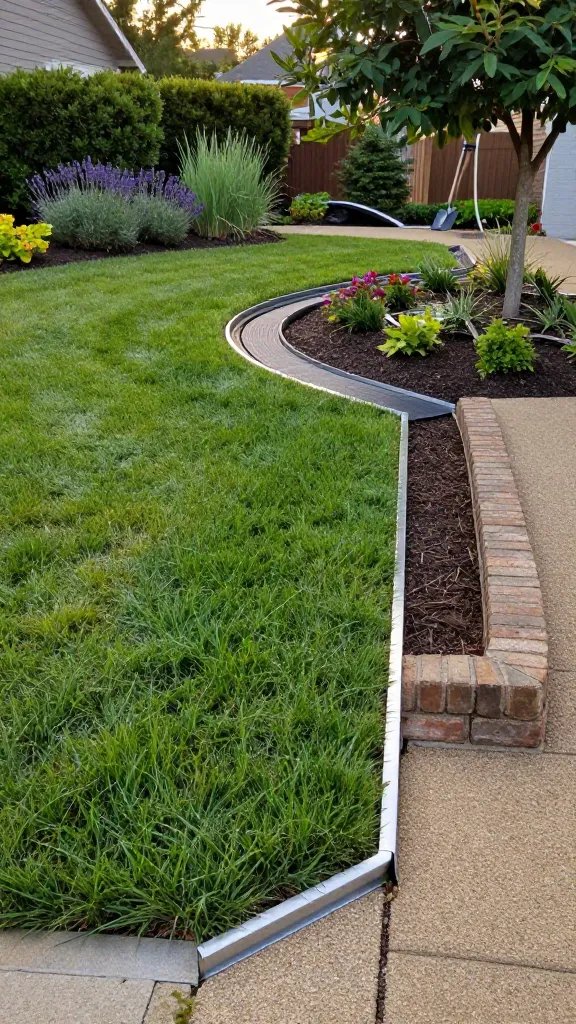
1. Draw Crisp Lines With Edging (Instant Upgrade)
Tired of snacking when you’re not even hungry? This reset helps you stop the loop and feel back in control.
A simple reset for moments when cravings take over. Easy to use, easy to repeat, and designed to help you feel satisfied instead of stuck.
Nothing screams “professional” like clean edges. Define beds, paths, and lawn borders, and your whole landscape snaps into focus. It’s like eyeliner for your yard—suddenly everything looks intentional.
Smart Edging Options
- Steel or aluminum for sleek, modern lines
- Brick or stone for classic curb appeal
- Composite bender board for easy curves
- Deep trench edge for a budget-friendly, natural look
Keep edges 3–4 inches deep to stop mulch creep and grass invasion. Use wherever you want clarity and structure, especially along front-yard beds for max curb appeal.
2. Layer Plants In Three Tiers (High-Low-Flow)
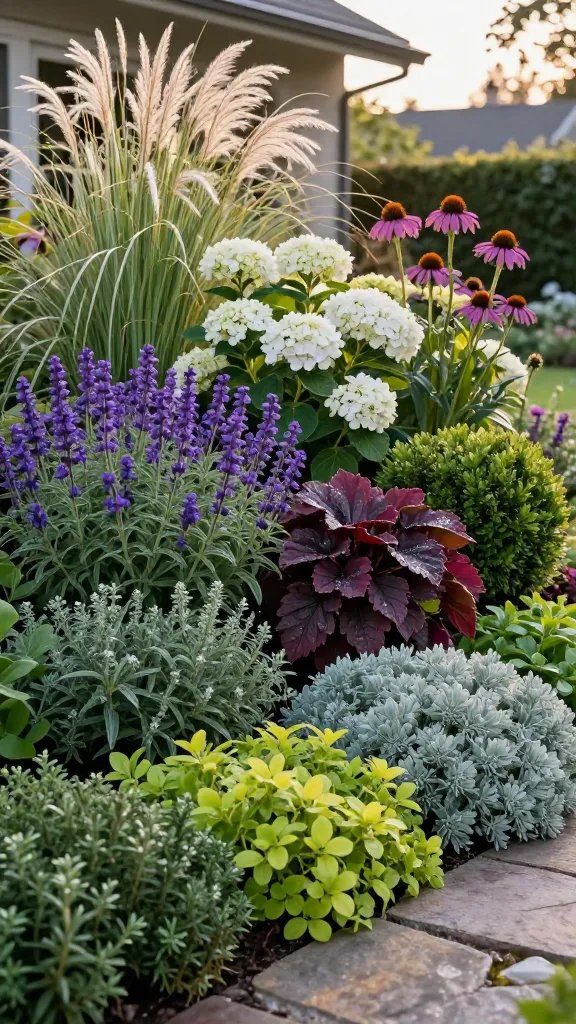
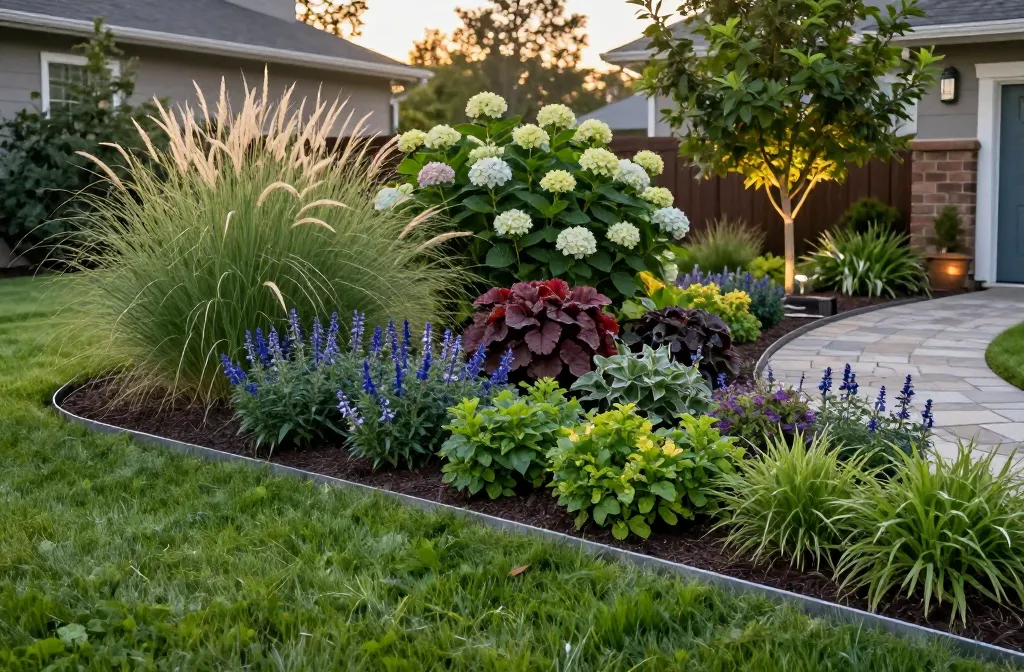
Pros don’t plant one height. They build layers: tall in back, mid in the middle, and groundcovers up front. That rhythm gives depth and lushness from every angle.
Transform Your Home With 7,250+ Stunning Landscaping Designs—No Expensive Designers Needed!
- 🌿 Access 7,250+ stunning landscaping designs.
- 💰 Save thousands—no pro designer needed.
- 🏡 Plans for gardens, patios, walkways, and more.
- ✨ Simple, beginner-friendly DIY layouts.
- 🛠️ Customize any design to fit your yard.
Layering Formula
- Back row: ornamental grasses, hydrangeas, tall perennials
- Middle row: salvias, heucheras, dwarf shrubs
- Front row: thyme, sedum, creeping jenny
Repeat groups of 3–5 for cohesion, not chaos. Use this along fences, house foundations, and across wide beds where you want lush, magazine-worthy fullness.
3. Repeat Shapes And Colors (Your Secret Style Glue)
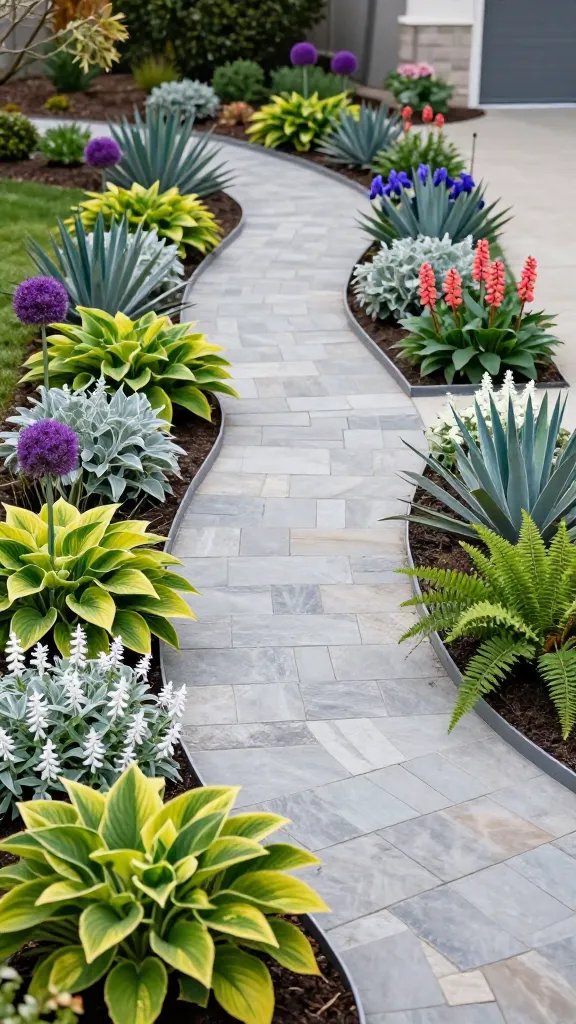
Repetition makes a garden look curated. Choose a couple leaf shapes and two main colors, then echo them around the yard. Boom—instant harmony.
Quick Repeats That Work
- Shapes: spiky (agave, iris), round (hosta, allium), lacey (ferns)
- Colors: chartreuse + deep purple, silver + white, blue-green + coral
Repeat at least three times across the garden for that “pulled-together” vibe. Use this when a space feels busy or random—repetition calms everything down.
4. Build A Focal Point (Give Eyes A Place To Land)
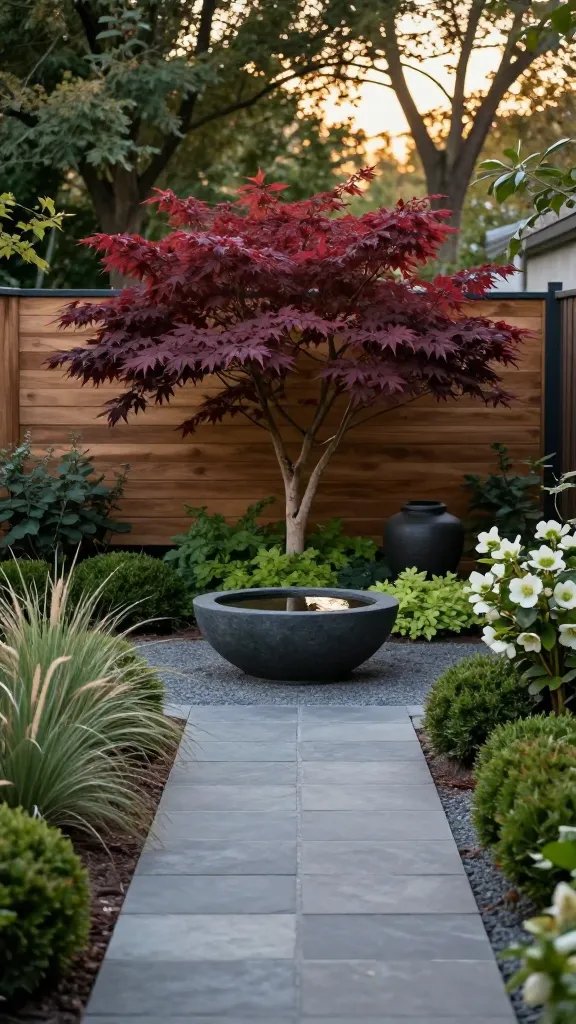
Every pro garden has a moment. A sculpture, a specimen tree, a water bowl—something that makes visitors pause and say, “Ooo, what’s that?”
Focal Point Ideas
- Specimen tree: Japanese maple, olive, desert willow
- Object: large ceramic urn, metal orb, bold trellis
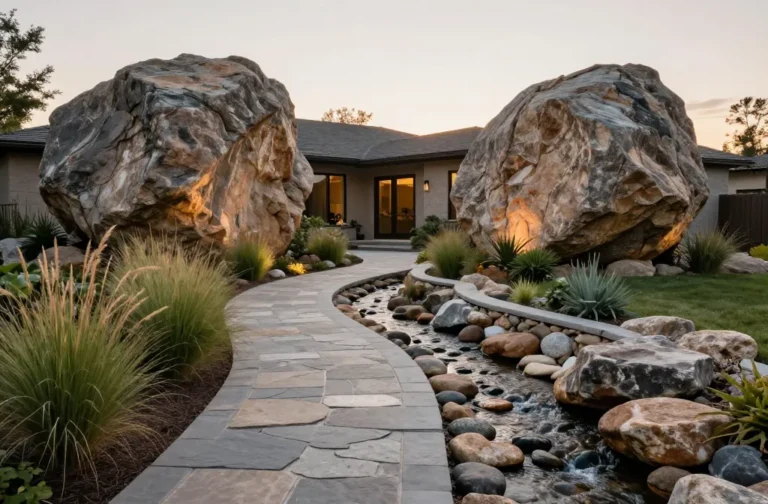
- Feature: simple water basin, boulder grouping, fire bowl
Place it at the end of a path or centered in a bed for drama. Use one main focal point per view to keep things elegant, not loud.
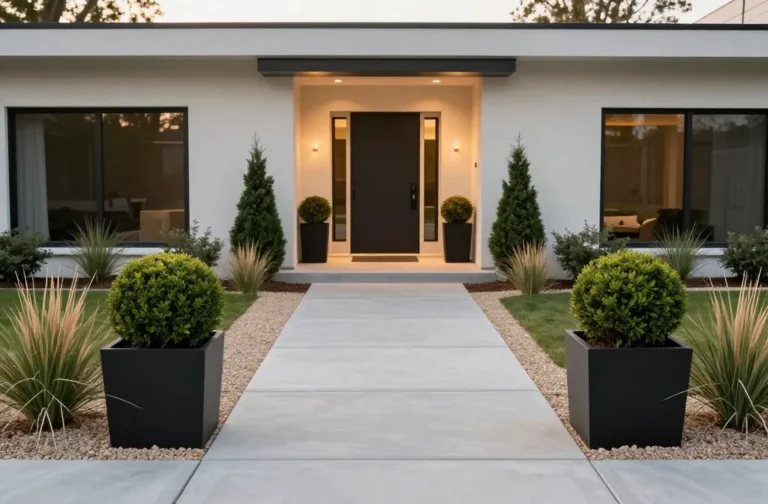
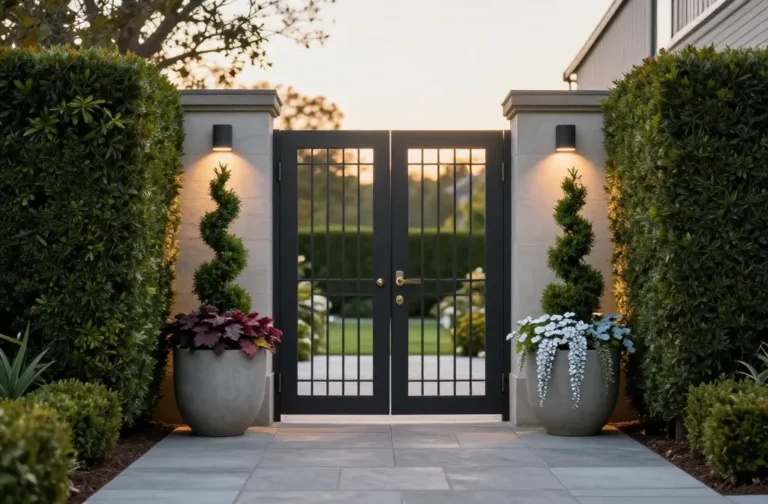
5. Frame The Entry With Symmetry (Curb Appeal Cheat Code)
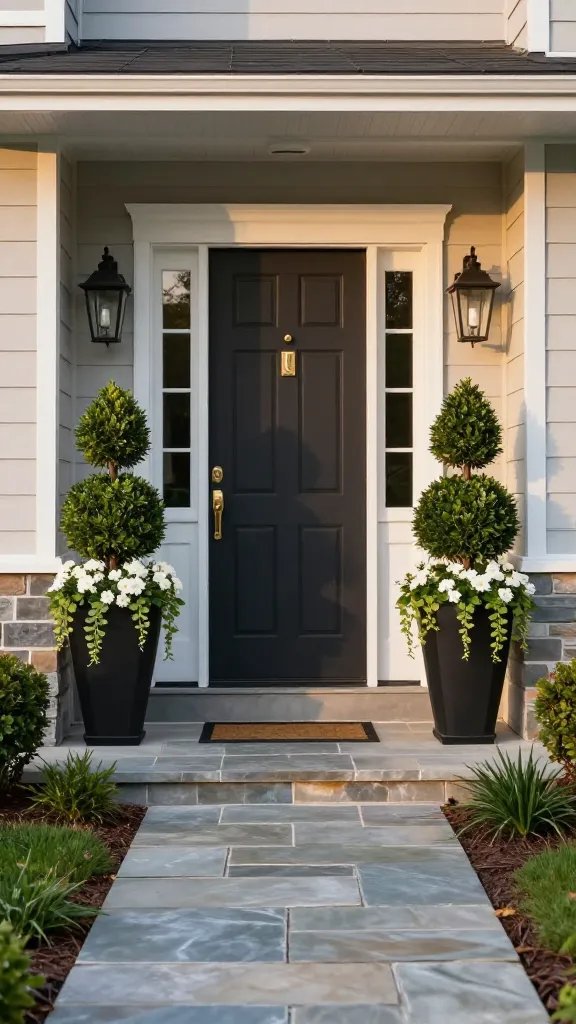
Symmetry signals order and intention. Flank your front door or gate with matching planters, lanterns, or topiaries, and your home looks pricier—seriously.
Simple Entry Formula
- Two tall planters with evergreens (boxwood, arborvitae)
- Underplant with seasonal color or trailing ivy
- Repeat the planter color or metal tone in hardware nearby
Use symmetry at main thresholds—front door, patio steps, or garden gates. It sets a formal tone even if the rest of your garden stays relaxed.

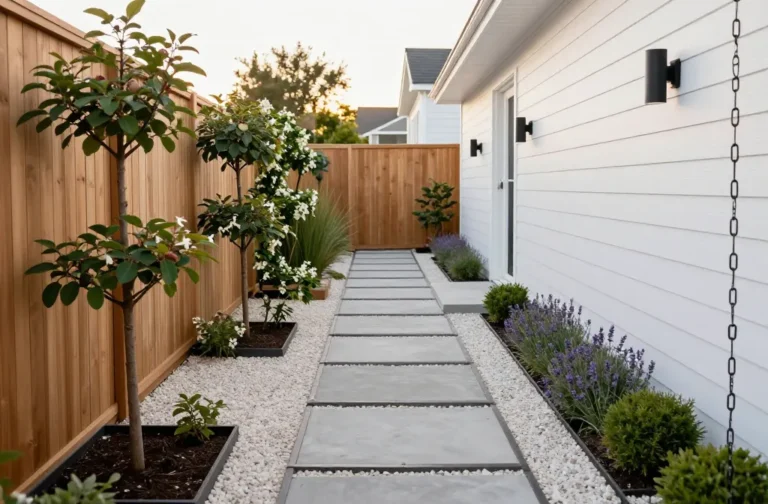
6. Design A Path That Invites Wandering
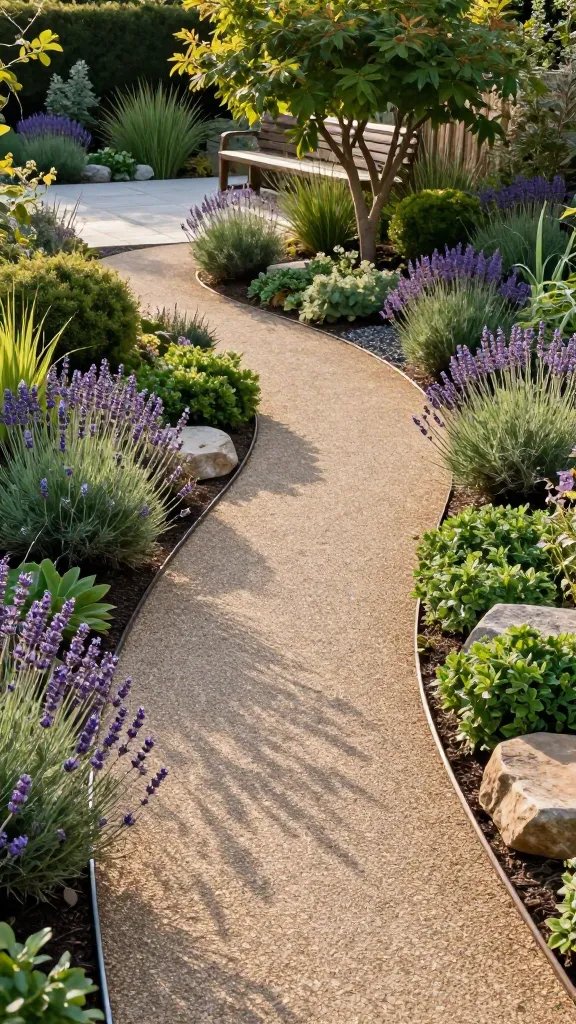
Paths turn a yard into an experience. Curves slow you down, materials set the mood, and destination points make every turn feel intentional.
Path Materials That Elevate
- Decomposed granite for soft, European vibes
- Large-format pavers for a clean, modern look
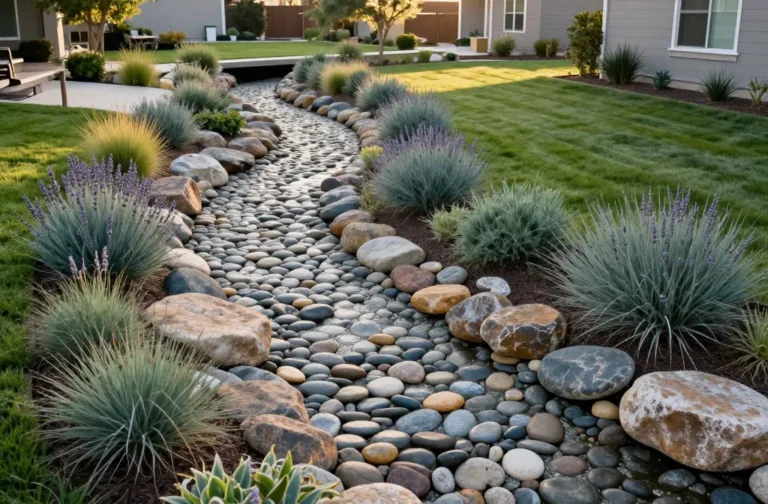
- Gravel + steel edging for easy DIY structure
- Stepping stones in groundcover for whimsical charm
Make paths at least 36 inches wide for comfort. Use a path to connect the patio to a focal point or tucked-away bench for that “secret garden” feel.
7. Mix Hard And Soft Textures (Contrast Is King)
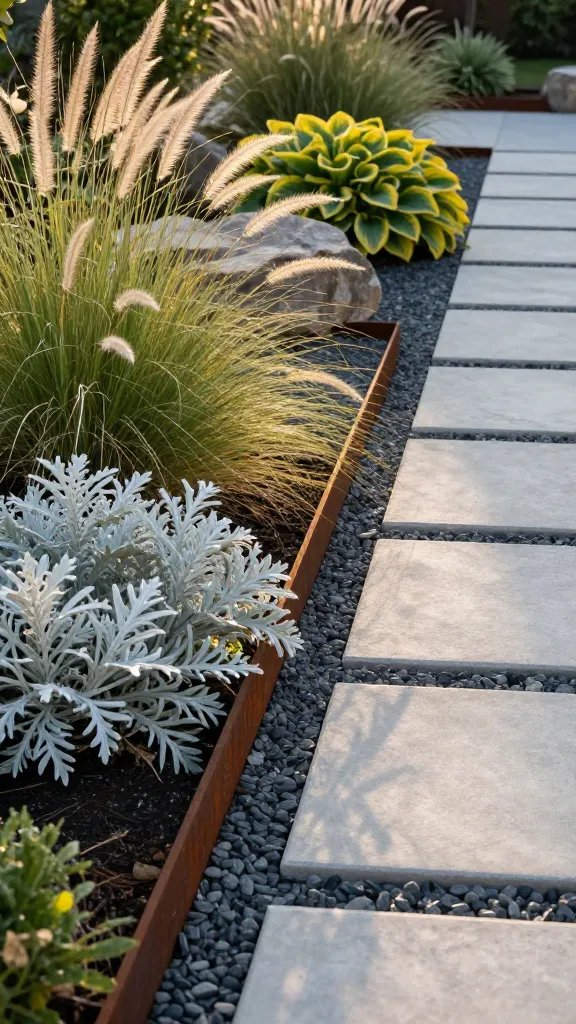
Pros play contrast like a drum. Pair crisp pavers with fluffy grasses, glossy leaves with raw stone, and suddenly your garden looks art-directed.
Winning Combos
- Concrete slab beside Mexican feather grass
- Rusty corten steel near silver lamb’s ear
- Charcoal gravel against chartreuse hosta
Contrast keeps the eye moving and the space interesting. Use it anywhere a scene feels flat or too matchy-matchy.
8. Go Big On Mulch And Groundcovers (The “Finished” Look)
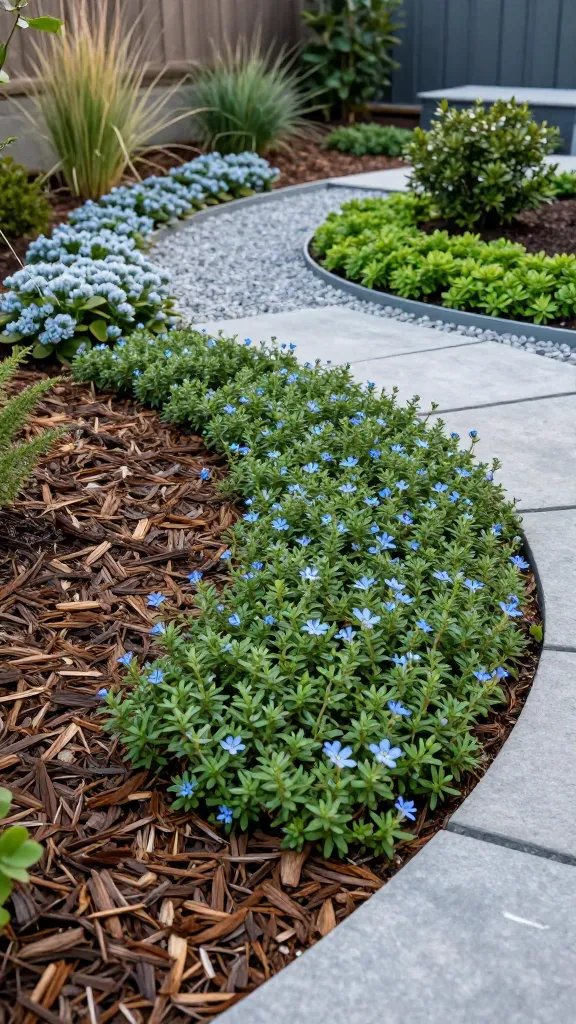
Bare soil looks messy and dries out fast. Mulch or plant living carpets to make everything feel lush and intentional.
Groundcover MVPs
- Sun: creeping thyme, blue star creeper, ice plant
- Shade: pachysandra, vinca minor, sweet woodruff
- Mulch: shredded bark for beds, pea gravel for modern vibes
Keep mulch 2–3 inches deep and off plant crowns. Use groundcovers on slopes, under shrubs, and between stepping stones for low-maintenance polish.
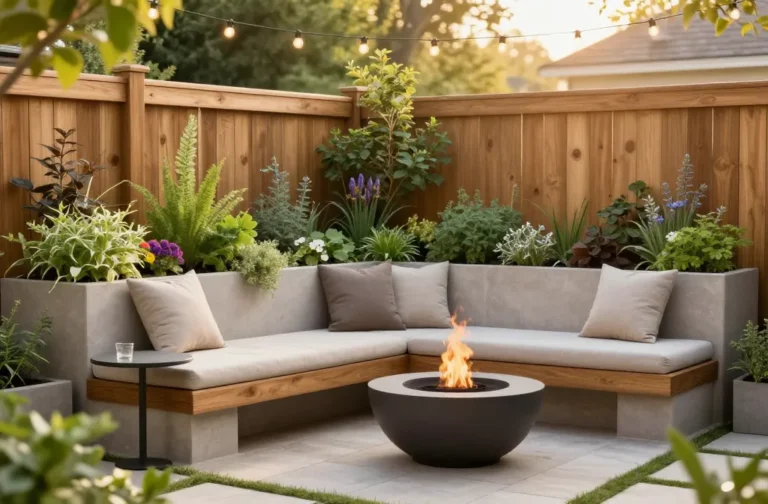
9. Add A Raised Bed Or Two (Instant Architecture)
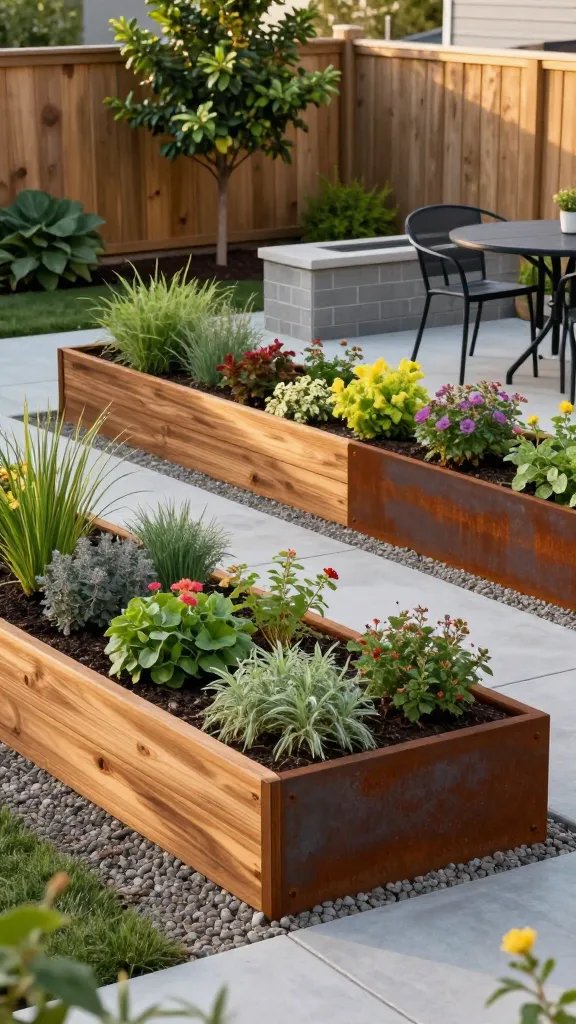
Raised beds add structure, height, and major style points. They also make planting easier and keep edges delightfully sharp.
Materials That Look Pro
- Cedar or redwood for warm, natural tones
- Corten steel for sculptural modern lines
- Rendered block for a crisp, contemporary rectangle
Match bed height to your space—12 to 18 inches works for most yards. Use raised beds to anchor patios, divide zones, or create a pretty kitchen garden you’ll actually use.
10. Light It Like A Resort (Nighttime Magic)
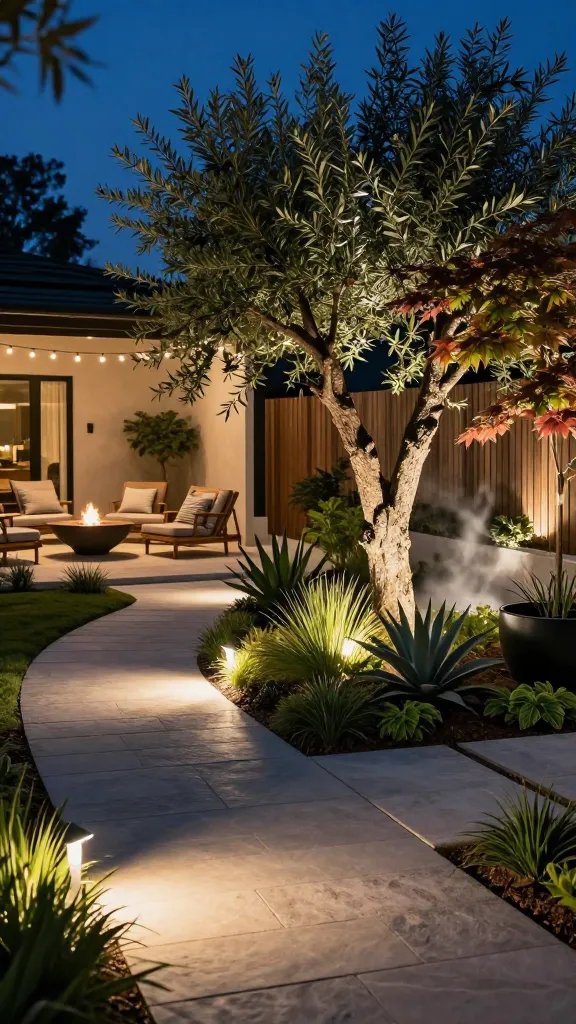
Landscape lighting turns your garden into a mood. You’ll highlight textures, extend your hangout hours, and make your house look fancy from the street.
Lighting Basics
- Path lights for safety and glow
- Uplights on specimen trees and architectural plants
- Wall washers to soften fences and facades
- String lights for casual patio charm
Use warm white (2700–3000K) for a cozy feel. Place lights to graze bark and foliage, not blast faces—your garden will feel like a boutique hotel, IMO.
11. Create Zones With Low Hedges And Screens
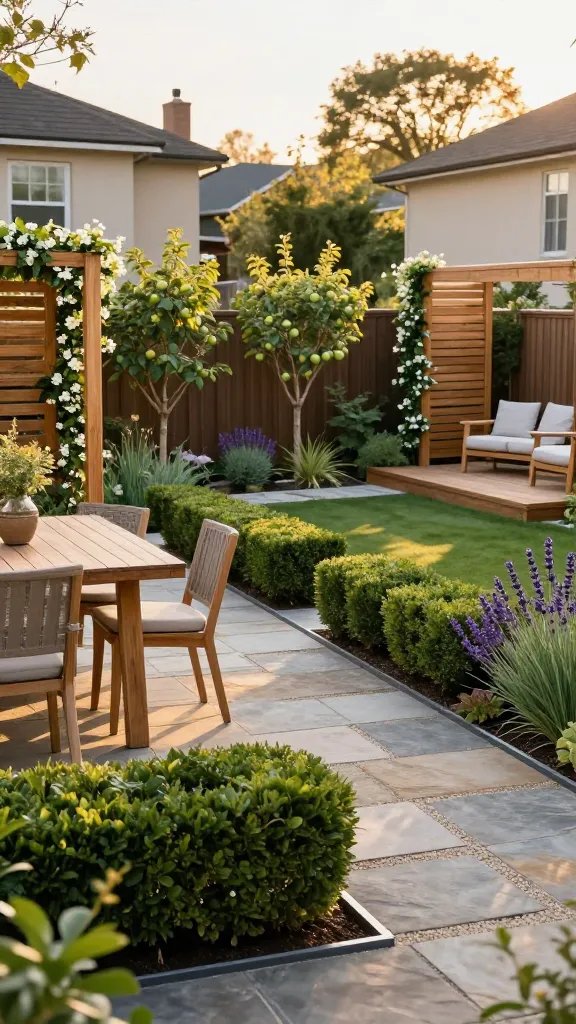
Pros carve yards into “rooms.” Low hedges, trellises, and screens separate dining, lounging, and play without closing anything off.
Great Dividers
- Low boxwood or dwarf yaupon hedges around patios
- Espaliered fruit trees on walls or fences
- Slatted wood screens for privacy without heaviness
- Climbing vines on trellises to soften boundaries
Use dividers to guide flow and block awkward views. Your space feels larger when each zone has a clear purpose—trust me.
12. Use The Rule Of Thirds For Plant Groupings
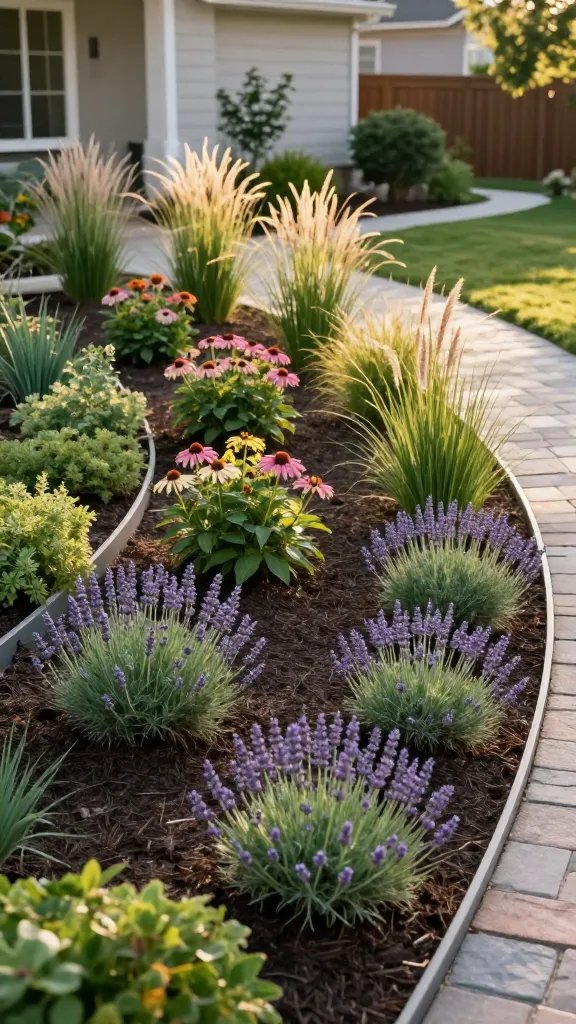
Designers love odd numbers because they look natural. Plant in 3s, 5s, or 7s, and vary spacing slightly so it never feels stiff.
Grouping Tips
- Cluster sizes: 3 for small beds, 5–7 for larger sweeps
- Staggered spacing to avoid soldier rows
- Repeat clusters across the yard for rhythm
Use this rule anywhere you plant multiples. It creates flow and cohesion fast, especially in front-yard beds that need impact from the street.
13. Add A Signature Material Or Color (Your Garden’s “Brand”)
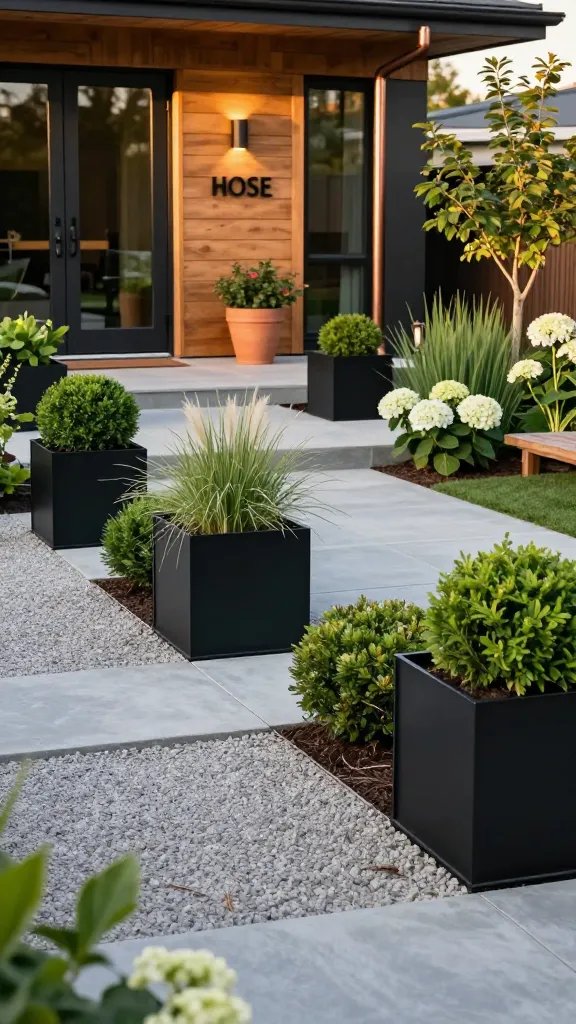
Professional gardens feel consistent because they commit. Pick one accent—like black planters, copper details, or terracotta—and thread it everywhere.
Signature Ideas
- Matte black metal in planters, lights, and house numbers
- Terracotta pots repeated on steps and walls
- Copper downspouts, lanterns, and hose guides
- Gravel color echoed in pavers and mulch
Let your signature show up at least three times for it to read. This trick unifies patios, paths, and beds so the whole garden feels curated and cohesive.
Ready to make your yard look professionally designed? Start with clean edges, pick a signature, and build layers one bed at a time. Small, consistent moves add up fast—seriously, you’ll be fielding compliments before the weekend’s over.