Genius 15 Rain Drainage Landscaping Ideas That Actually Work
Soggy lawn? Puddles that stick around for days? Let’s fix that without turning your yard into a construction zone. These rain drainage landscaping ideas actually move water where it should go—and make your space look better while they’re at it. We’re talking smart, pretty, and proven solutions you can scale to any yard. Ready to kiss muddy messes goodbye?
1. Grade Your Yard Like A Pro
Tired of snacking when you’re not even hungry? This reset helps you stop the loop and feel back in control.
A simple reset for moments when cravings take over. Easy to use, easy to repeat, and designed to help you feel satisfied instead of stuck.
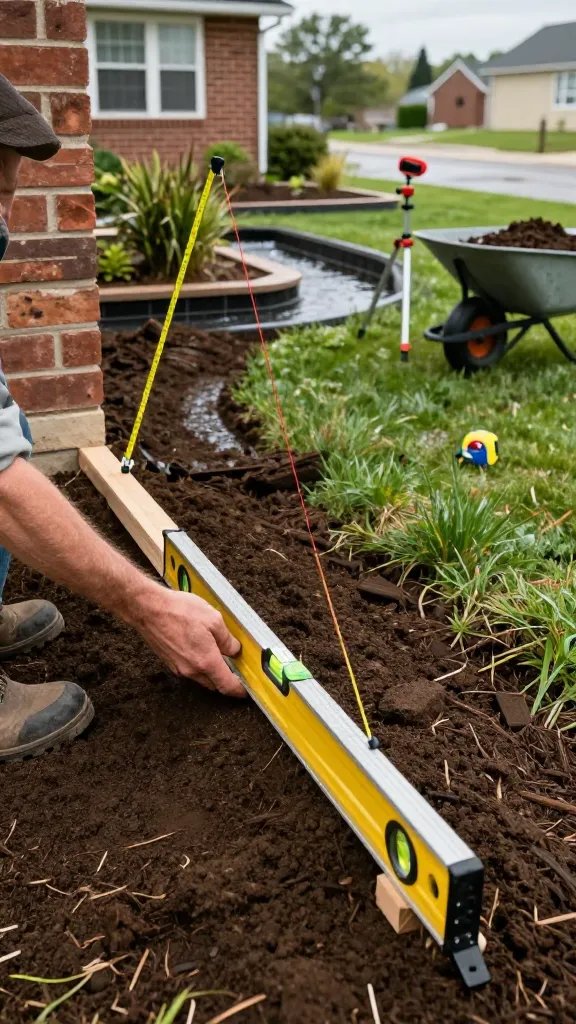
Sometimes the simplest fix wins: adjust the slope so water flows away from your house. A gentle grade—about 1 inch drop per foot for the first 5–10 feet—keeps water from pooling near your foundation.
Tips
- Use a long level, string line, or laser level to check slope.
- Build up low spots with topsoil, not just mulch.
- Direct water toward a safe outlet: street, swale, or rain garden.
Do this first. Good grading unlocks every other drainage upgrade and protects your home fast.
2. French Drains Without The Mystery
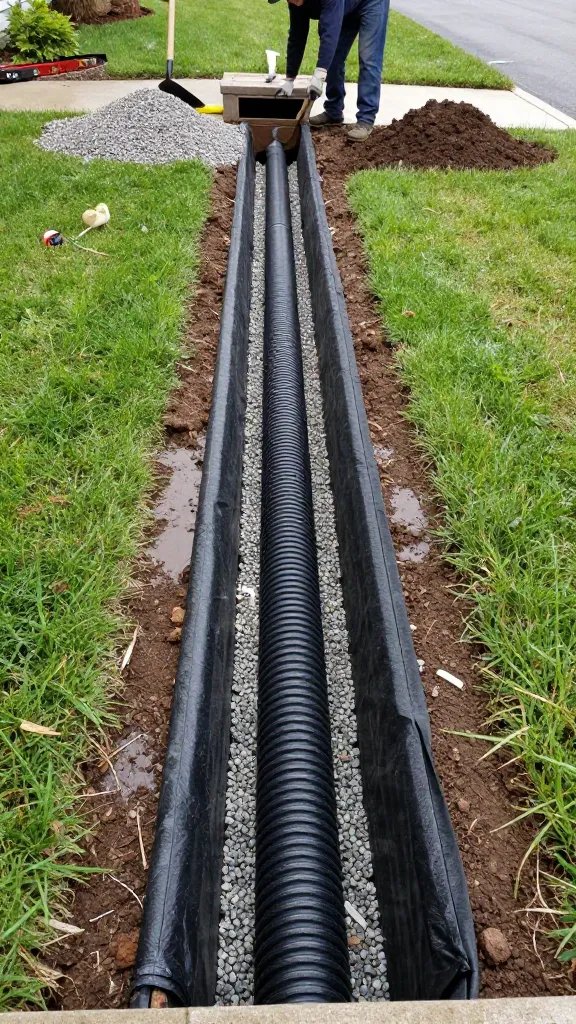
A French drain is basically a gravel trench with a perforated pipe that whisks away water. It hides under your lawn and quietly fixes chronic puddles or soggy side yards.
Transform Your Home With 7,250+ Stunning Landscaping Designs—No Expensive Designers Needed!
- 🌿 Access 7,250+ stunning landscaping designs.
- 💰 Save thousands—no pro designer needed.
- 🏡 Plans for gardens, patios, walkways, and more.
- ✨ Simple, beginner-friendly DIY layouts.
- 🛠️ Customize any design to fit your yard.
Key Points
- Trench depth: 18–24 inches; width: 6–12 inches.
- Line with landscape fabric, add gravel, lay perforated pipe holes-down, cover with more gravel, then soil.
- Send the outlet to a downhill area, dry well, or curb (where legal).
Use this if you’ve got clay soil or persistent wet zones. It’s the workhorse of drainage, IMO.
3. Dry Creek Beds That Double As Art
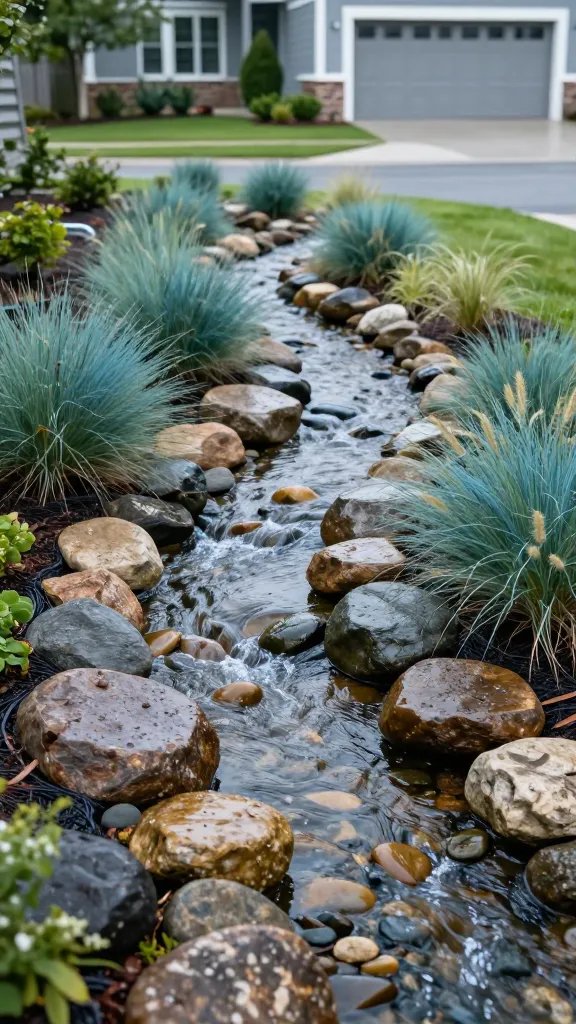
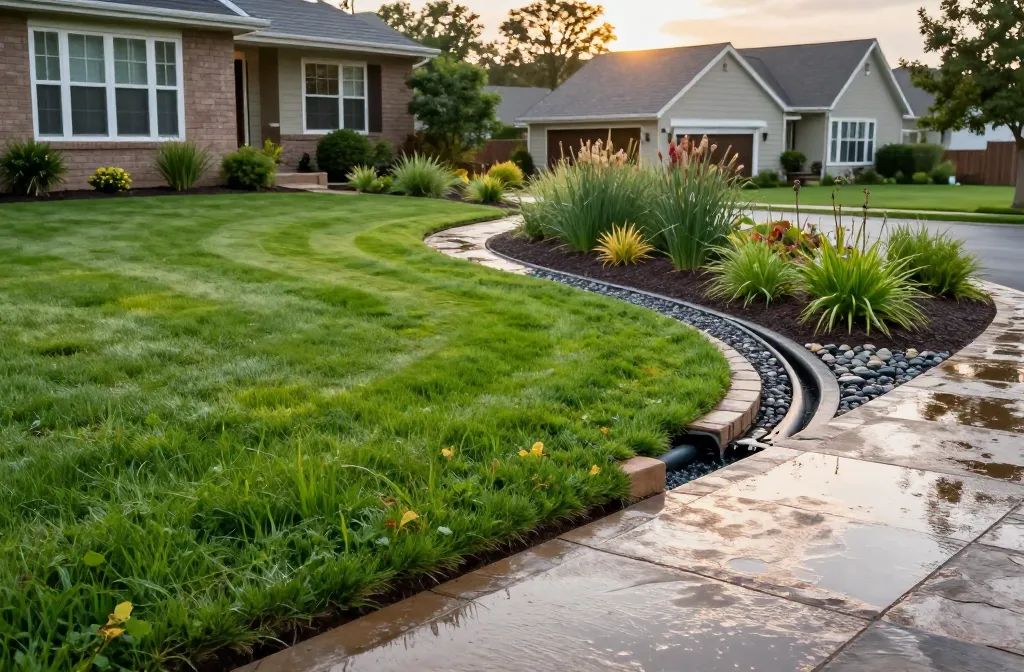
Turn runoff into a gorgeous rocky stream that only flows when it rains. You shape a shallow channel and fill it with river rock, boulders, and native grasses.
Materials
- Mixed river rock (1–3 inches) plus a few larger accent stones.
- Landscape fabric to prevent sinkage and weeds.
- Tufting plants like sedges, blue fescue, and dwarf fountain grass.
This handles medium flows and looks amazing all year. It’s a top pick when you want function plus curb appeal.
4. Rain Gardens That Slurp Up Storms
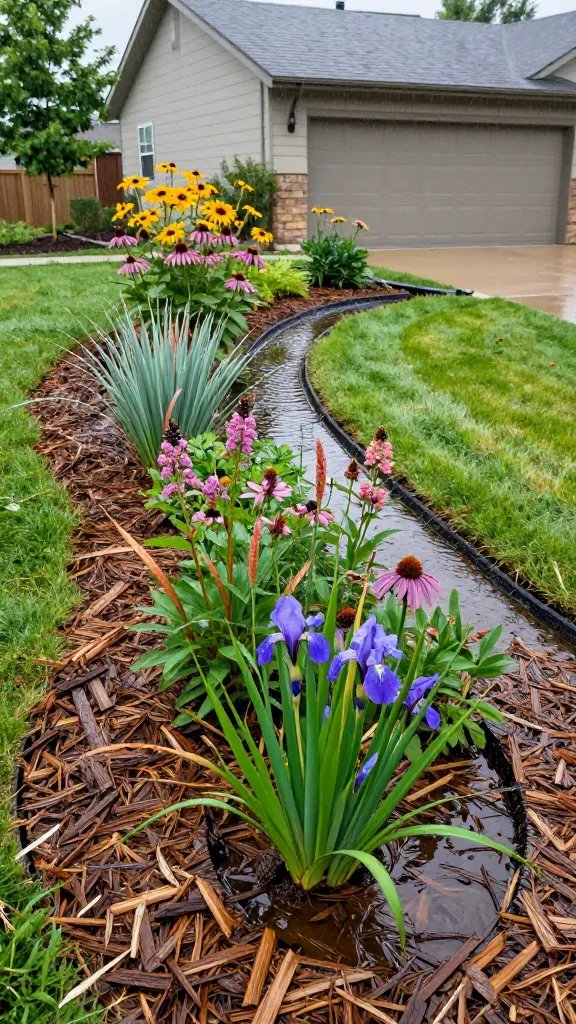
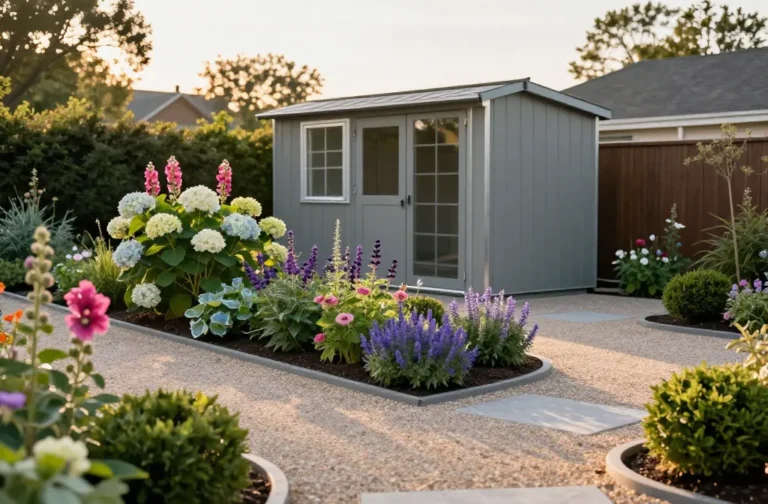
Rain gardens are shallow, planted basins that capture runoff and let it soak in within 24–48 hours. They reduce erosion, filter pollutants, and attract pollinators. Win-win-win.
Plant Ideas
- For wet feet: swamp milkweed, blue flag iris, joe-pye weed.
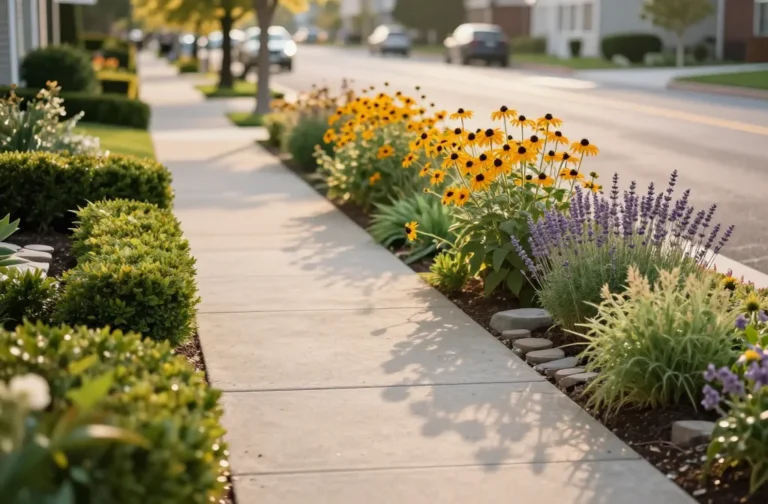
- For edges: coneflower, little bluestem, black-eyed Susan.
- Add shredded hardwood mulch to slow splash and keep weeds down.
Place one downhill from roofs or driveways. Great for heavy clay if you amend with compost and sand.
5. Permeable Pavers You Can Park On
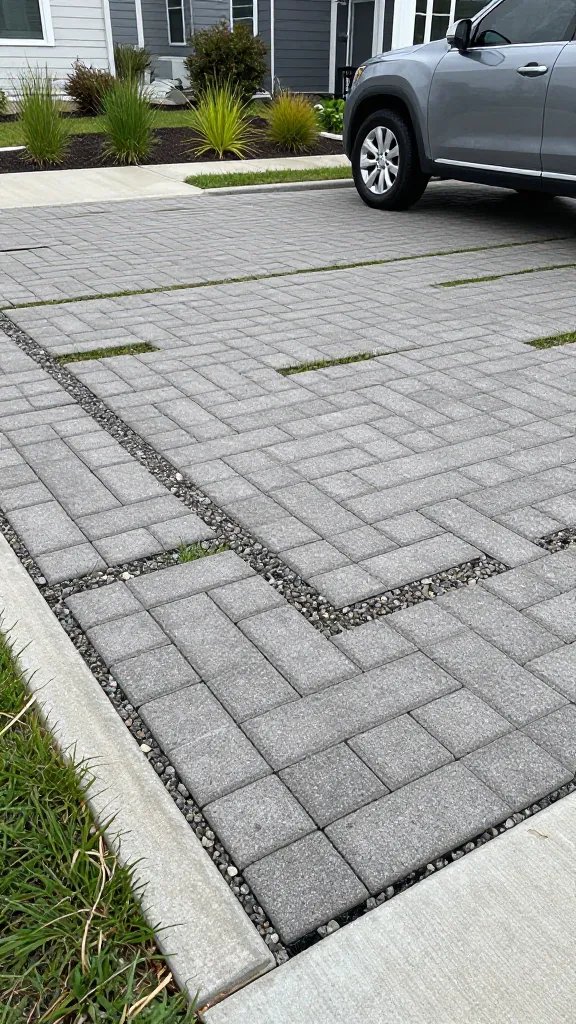
Swap your solid patio or driveway for permeable pavers so water drains through, not across. You’ll cut runoff and stop that curbside river every time it pours.
Key Points
- Use permeable interlocking pavers or grid systems with gravel infill.
- Install over a graded, compacted open-graded base (no fines).
- Leave open joints filled with small gravel or turf.
Perfect for driveways, walkways, and patios where you need strength and style. Seriously effective.

6. Downspout Extensions That Aren’t Ugly
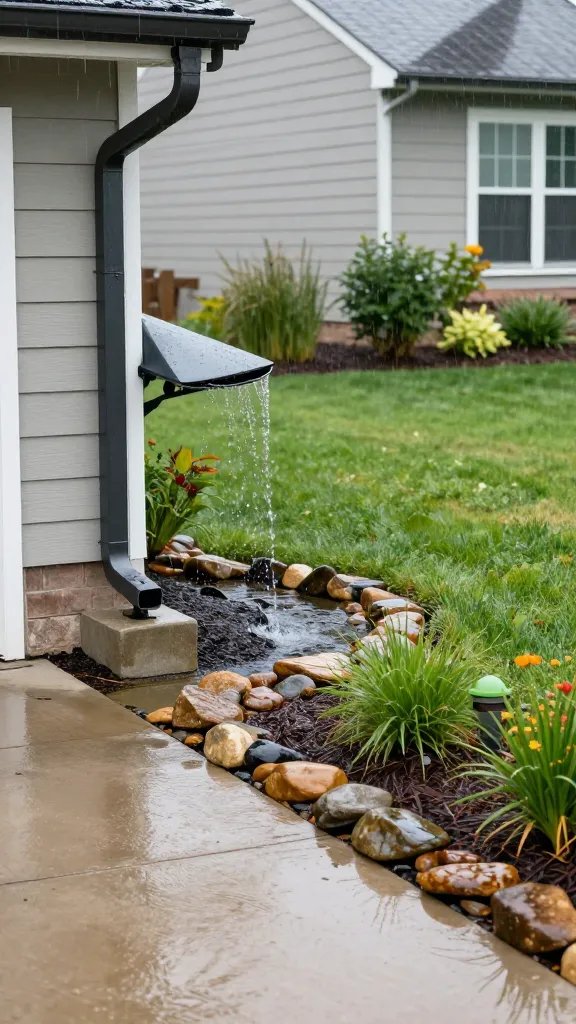
Your gutters do their job, but if the water dumps right at the foundation, you’re asking for trouble. Add low-profile extensions and splash blocks that carry water 6–10 feet away.
Smart Options
- Pop-up emitters that stay hidden until it rains.
- Buried solid pipe to a rain garden or dry well.
- Decorative stone channels that match your landscaping.
Cheap, fast, and wildly effective. Start here if your basement ever smells damp, FYI.
7. Swales That Steer Water Gracefully
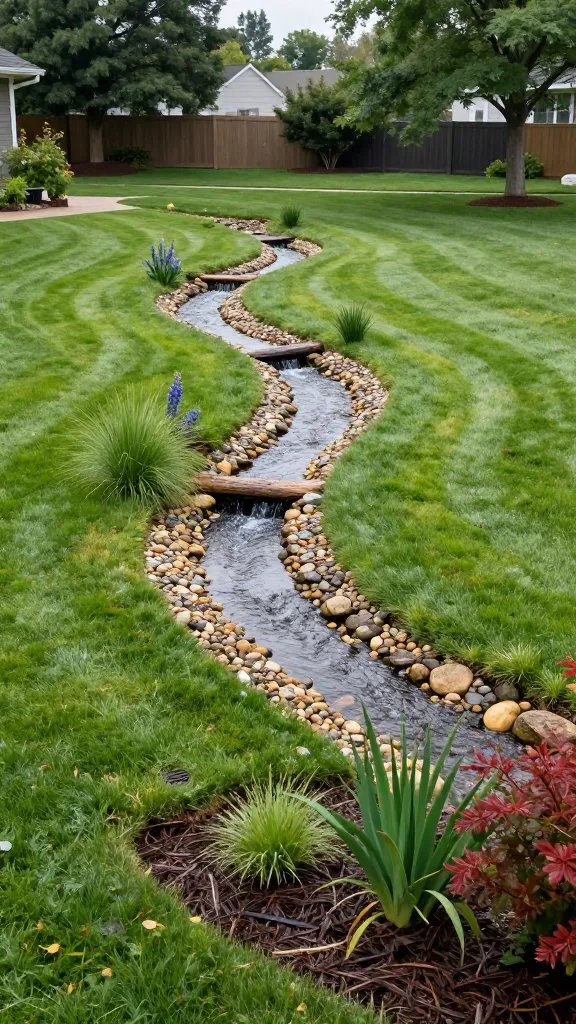
A swale is a shallow, grassy ditch that moves water slowly across your yard. Shape it like a soft “U” and line it with turf, gravel, or plants.
Design Tips
- Gentle side slopes (3:1) so it’s easy to mow or plant.
- Add check dams with stones or logs to slow flow and prevent erosion.
- Connect it to a rain garden, dry creek, or storm inlet.
Use swales on big lots or along property lines to guide runoff without drama.
8. Dry Wells: The Secret Sump For Your Yard
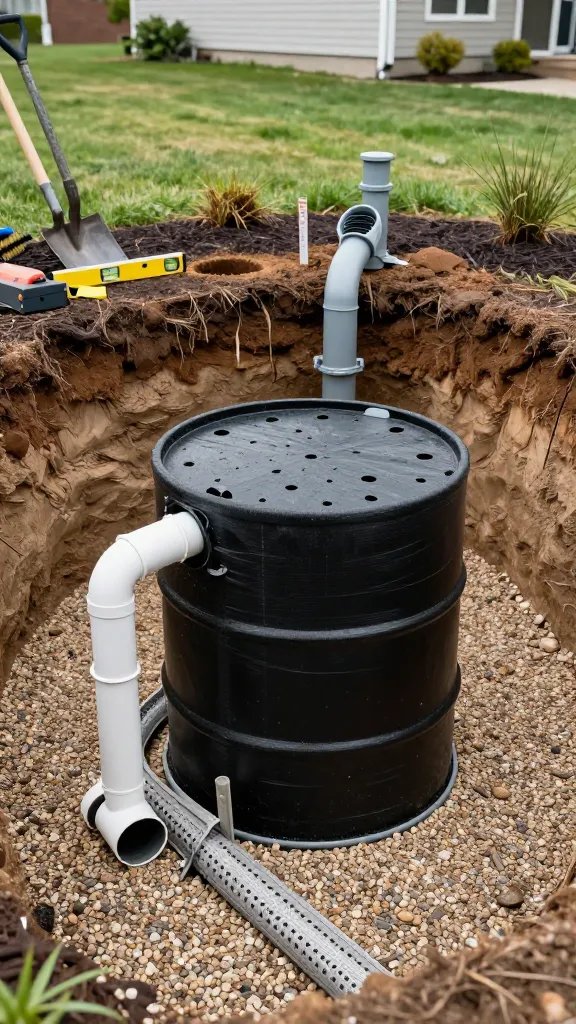
A dry well is a buried chamber that stores roof runoff and lets it slowly percolate. It’s invisible and perfect when you can’t daylight a pipe.
How-To Basics
- Dig below frost line where possible and far from foundations (at least 10 feet).
- Use a manufactured dry well barrel or build with perforated crates wrapped in fabric.
- Test soil percolation first. Clay needs bigger capacity or a backup overflow.
Great under lawns or beds. Pair with downspout piping or French drains for a tidy system.
9. Bioswales For Eco-Cred And Performance
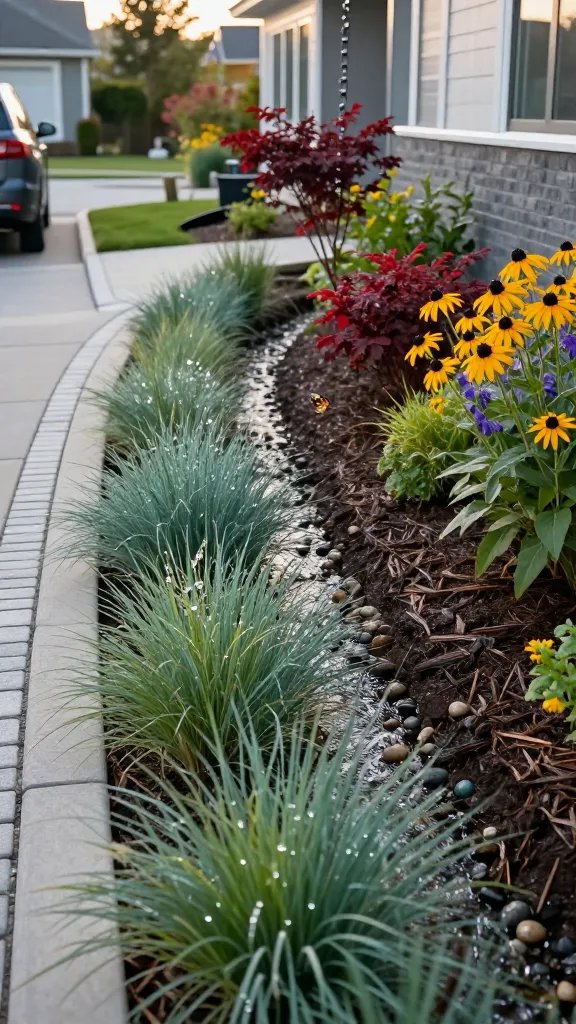
Bioswales are planted swales with engineered soil that filter and infiltrate stormwater. Think swale meets rain garden with extra brains.
Good Fits
- Long edges of driveways or parking pads.
- Where you need to slow water and clean it up.
- Native grasses, sedges, and shrubs that love wet-dry cycles.
They look lush, reduce runoff, and support wildlife. If you like form plus function, this is your move.
10. Gravel Trenches Along Hardscapes
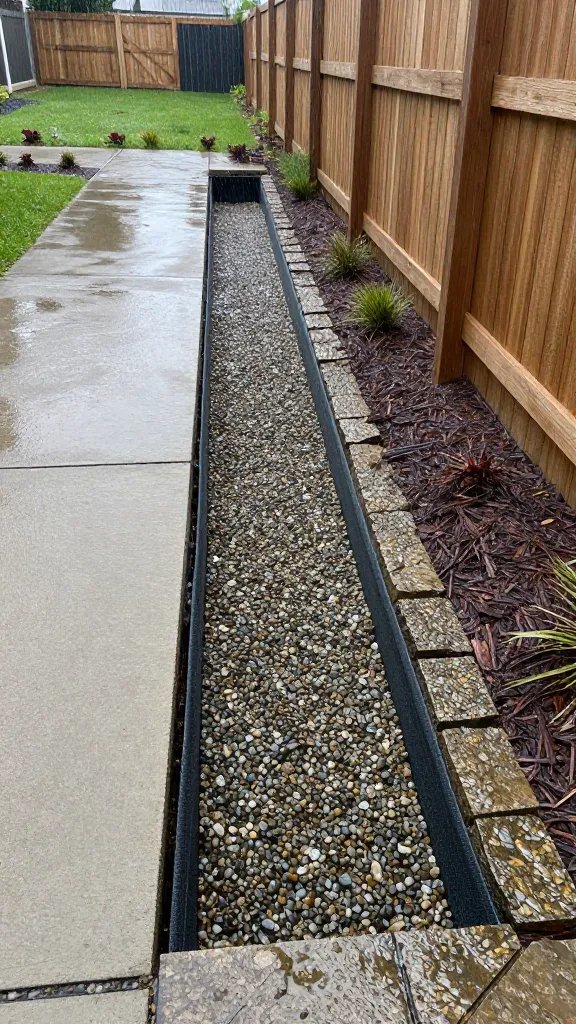
Side yards and fence lines love to flood because there’s nowhere to go. A narrow gravel trench along the edge catches sheet flow fast.
Quick Build
- Excavate 6–8 inches deep and 8–12 inches wide.
- Line with fabric, fill with 3/4-inch clean gravel, top with decorative stone.
- Pitch slightly to a safe outlet.
Use this as a simple interceptor drain. It’s low-cost and works immediately.
11. Rain Barrels With Real Capacity
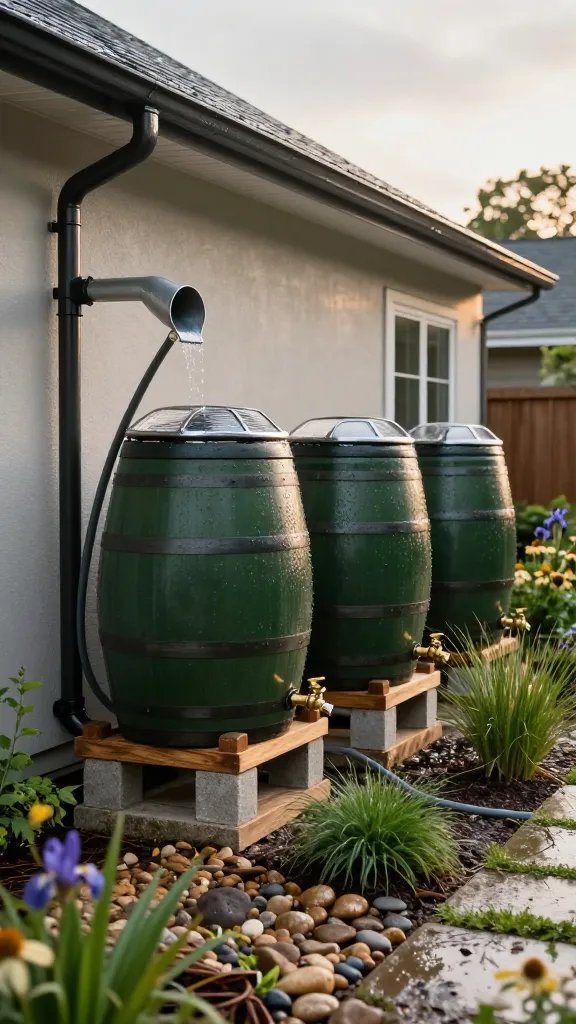
Capture roof runoff and give your plants free water later. A single 1,000-square-foot roof can shed over 600 gallons in a 1-inch storm—so go bigger than one tiny barrel.
Pro Moves
- Daisy-chain multiple 55–100 gallon barrels with overflow to a rain garden.
- Add a diverter kit and mosquito-proof screen.
- Put barrels on a sturdy stand for better water pressure.
Best for gardeners and anyone who loves a lower water bill. Looks cool, too.
12. Turf Alternatives That Actually Drain
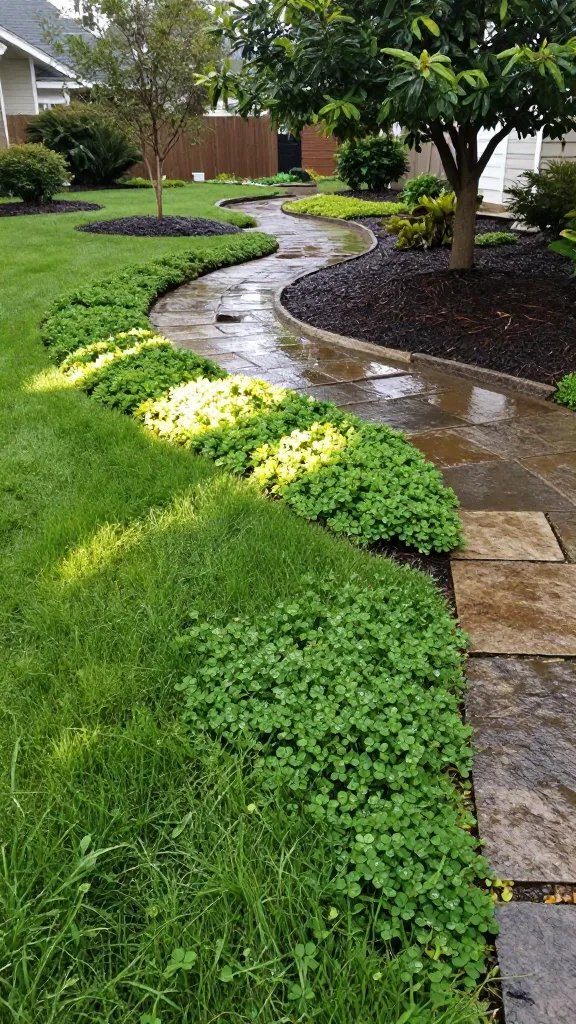
Traditional lawn can compact and shed water. Mix in groundcovers, no-mow fescues, or clover to improve infiltration and reduce runoff.
Great Picks
- Microclover, creeping thyme, and sedum in sunny spots.
- No-mow fescue blends for low traffic areas.
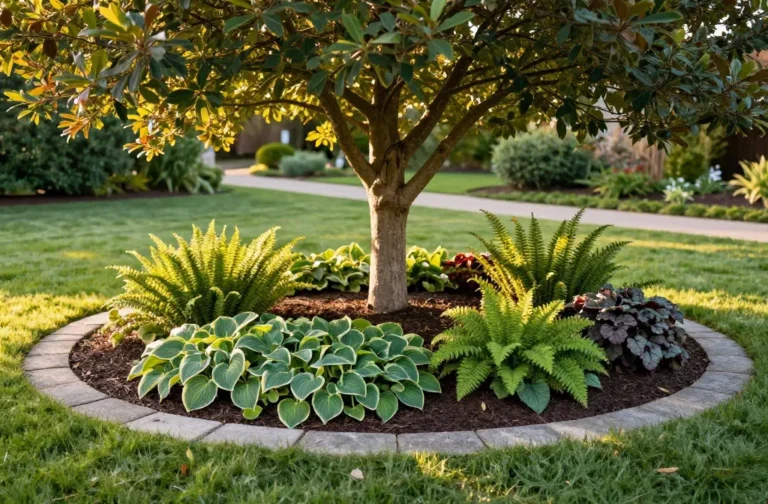
- Mulched beds around trees to reduce compaction.
Use when your lawn stays soggy or you hate ruts. Your mower will get more days off—nice.
13. Sump Pump Outlets Done Right
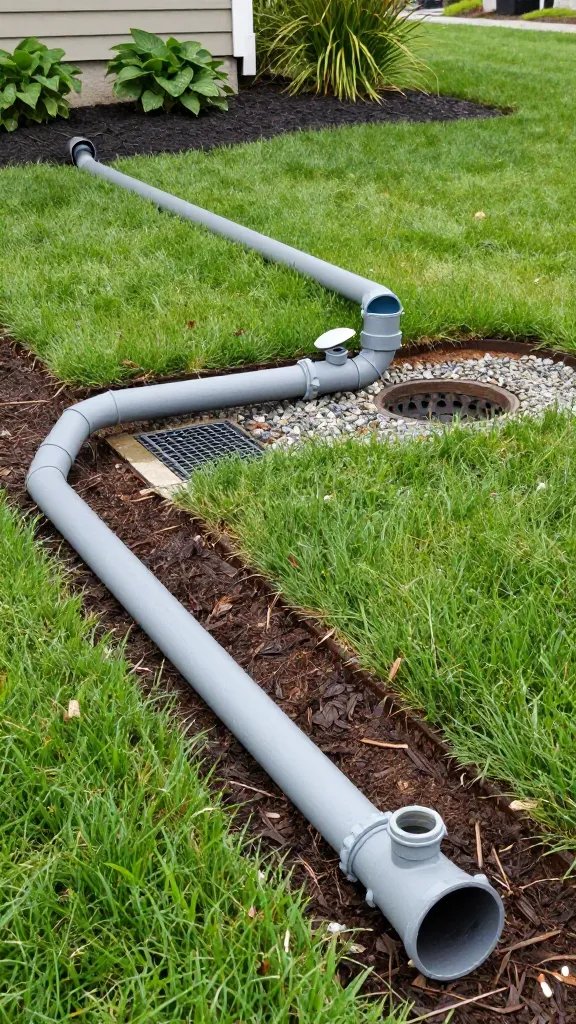
If your basement has a sump pump, don’t dump that water next to your foundation. Run a solid pipe to a safe outlet and protect the discharge from freezing.
Key Points
- Solid pipe underground to the curb, dry well, or rear easement (check local codes).
- Add a winter bypass above grade if freezing is a risk.
- Protect outlet with a grate or pop-up emitter.
Use this to stop the endless recycle of water right back into your sump. Trust me, your pump will thank you.
14. Strategic Planting For Speed And Soak
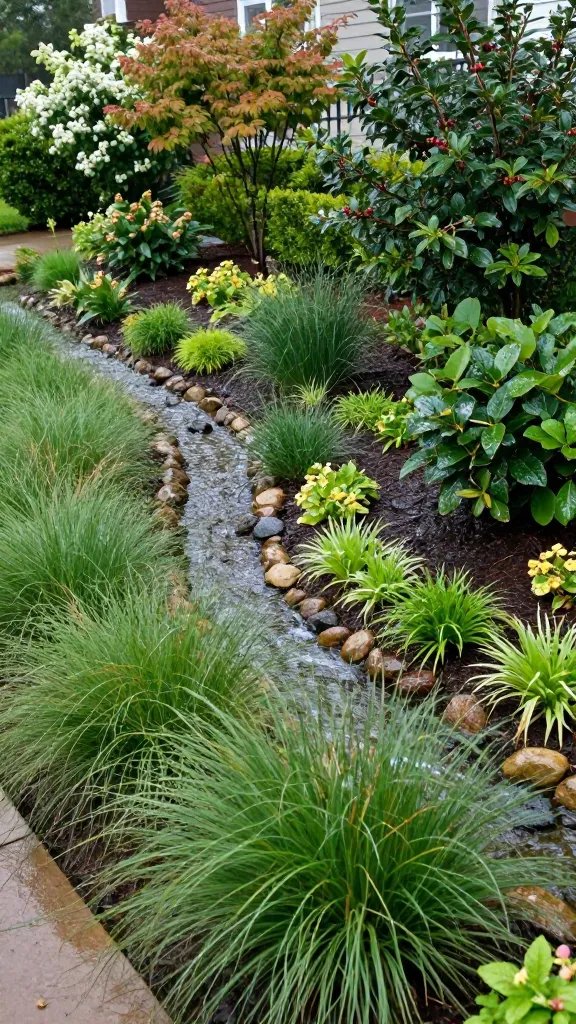
Plants slow water, break up soil, and drink a lot—triple threat. Layer heights and textures to steer flow and boost absorption.
Plant Strategy
- Deep-rooted natives like switchgrass, prairie dropseed, and serviceberry.
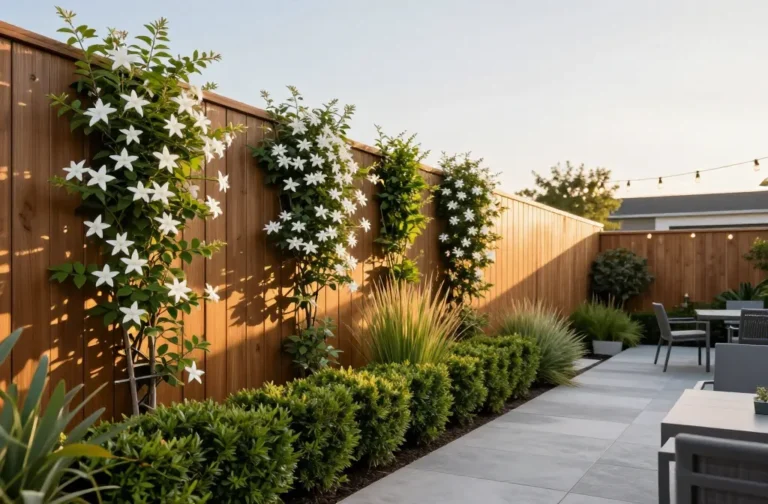
- Hedges or shrub lines to deflect runoff and reduce wind-driven rain.
- Mulch rings to prevent soil splash and compaction.
Ideal if you want drainage that looks like a garden, not a science project.
15. Edge Drains At The Base Of Slopes
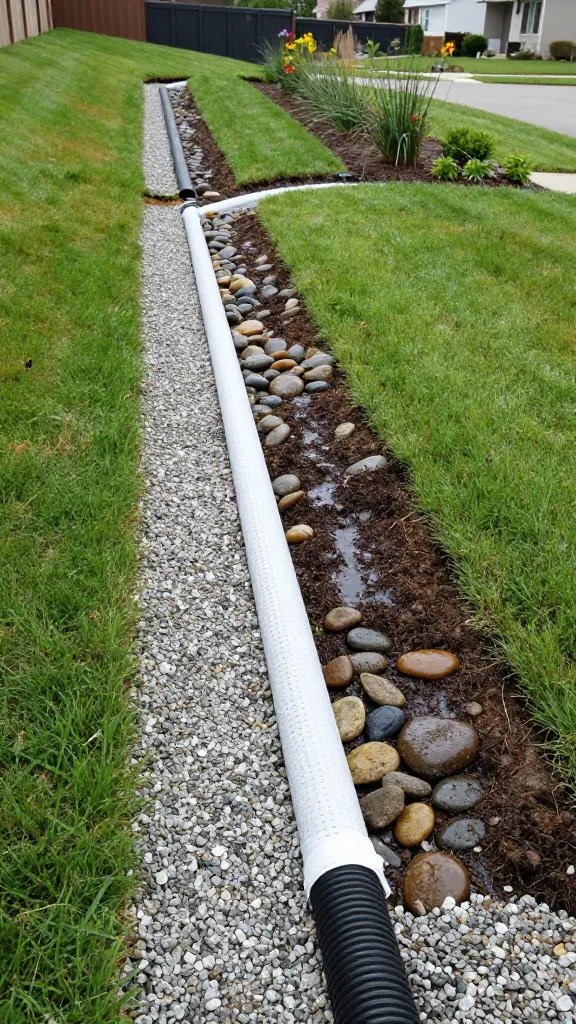
Water racing down a hill loves to pool at the bottom. Install a perforated edge drain or gravel interceptor right where the slope meets the flat.
Build Notes
- Trench parallel to the slope, 12–18 inches deep, with perforated pipe.
- Wrap in fabric, backfill with clean gravel, and finish with sod or stone.
- Tie into a dry creek, rain garden, or discharge pipe.
Use this when you’ve got a hillside yard or runoff from a neighbor. It grabs water before it becomes a swamp.
Ready to outsmart the next downpour? Mix a few of these ideas for a yard that drains fast and looks stunning doing it. Start with grading and downspouts, then level up with a rain garden or dry creek. Your boots stay clean, your plants stay happy, and your house stays dry—seriously, that’s the dream.