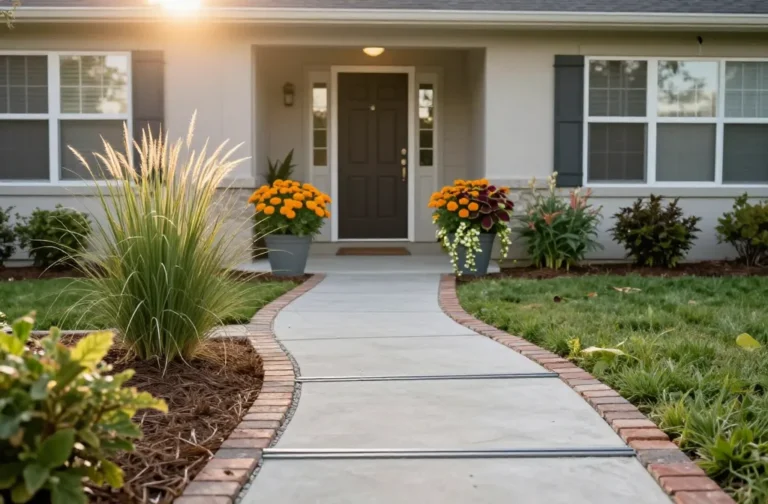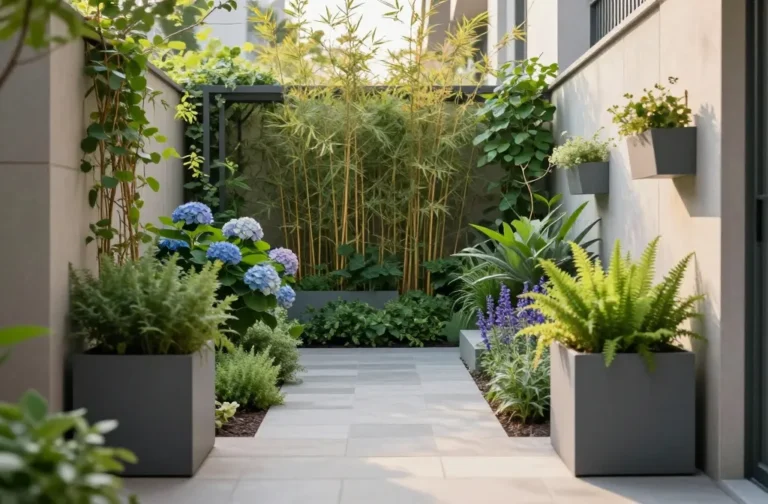
Gorgeous 11 Patio Border Landscaping Ideas That Tie Everything Together
Your patio looks great, but the edges? That’s where magic (or mess) happens. A sharp border makes everything feel intentional, not accidental. These 11 patio border landscaping ideas deliver clean lines, lush texture, and serious curb appeal. Ready to frame your outdoor hangout like a masterpiece?
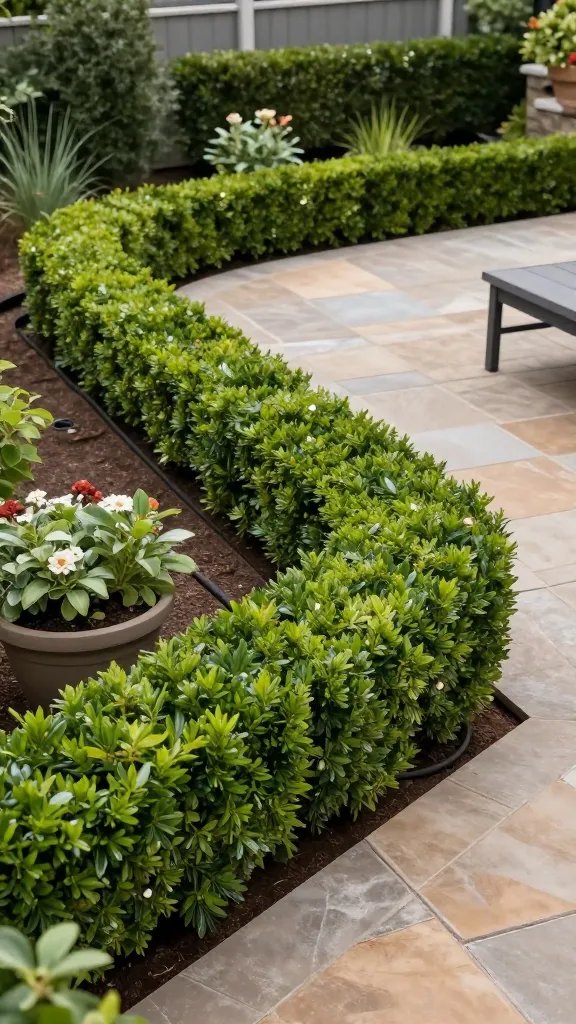
1. Frame It With Low Boxwood Hedges
Tired of snacking when you’re not even hungry? This reset helps you stop the loop and feel back in control.
A simple reset for moments when cravings take over. Easy to use, easy to repeat, and designed to help you feel satisfied instead of stuck.
Want instant structure and that “I have my life together” vibe? Low boxwood hedges deliver crisp lines that make your patio look curated. They’re tidy, evergreen, and surprisingly easy to shape.
Why It Works
- Evergreen color keeps the border lush all year.
- Easy to clip into straight lines or soft curves.
- Great backdrop for seasonal flowers or planters.
Plant them 12–18 inches apart for a dense look. Add a drip line so you don’t forget to water (we’ve all been there). This border shines around formal patios, entry paths, and seating areas that need definition.
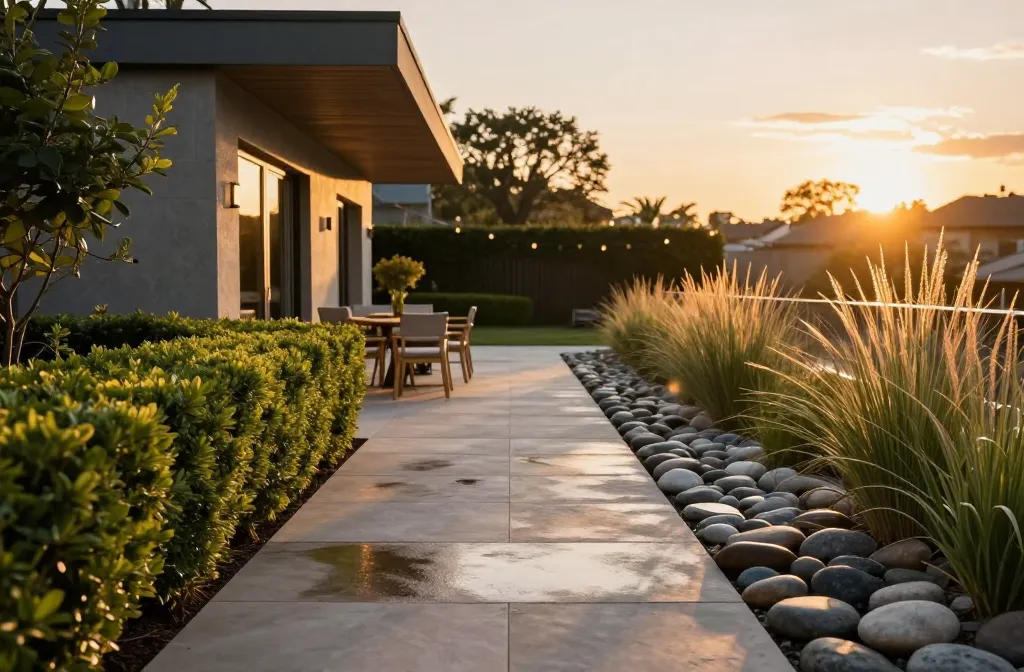
2. Mix River Rock With Ornamental Grasses
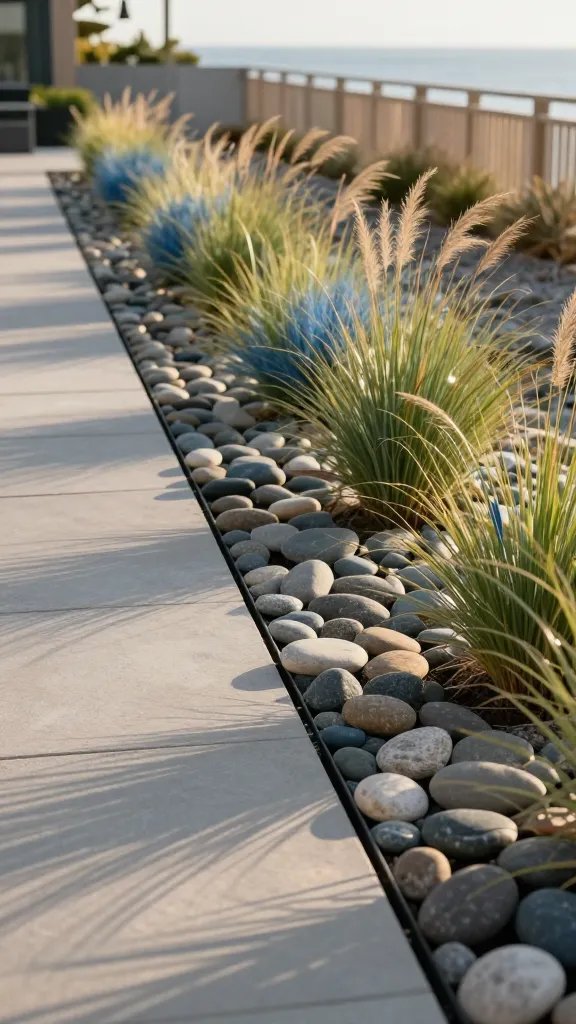
Feeling breezy and modern? River rock paired with airy grasses hits the sweet spot between effortless and elegant. The stones keep things low-maintenance while the grasses add movement and texture.
Transform Your Home With 7,250+ Stunning Landscaping Designs—No Expensive Designers Needed!
- 🌿 Access 7,250+ stunning landscaping designs.
- 💰 Save thousands—no pro designer needed.
- 🏡 Plans for gardens, patios, walkways, and more.
- ✨ Simple, beginner-friendly DIY layouts.
- 🛠️ Customize any design to fit your yard.
Materials
- Mexican beach pebble or mixed river rock (1–2 inches)
- Fescue, carex, or feather reed grass for soft height
- Landscape fabric and edging to hold rock in place
Keep the rock layer 2–3 inches deep and dot grasses every 18–24 inches. It works best on patios that lean modern or coastal and doubles as a great drainage solution along edges.
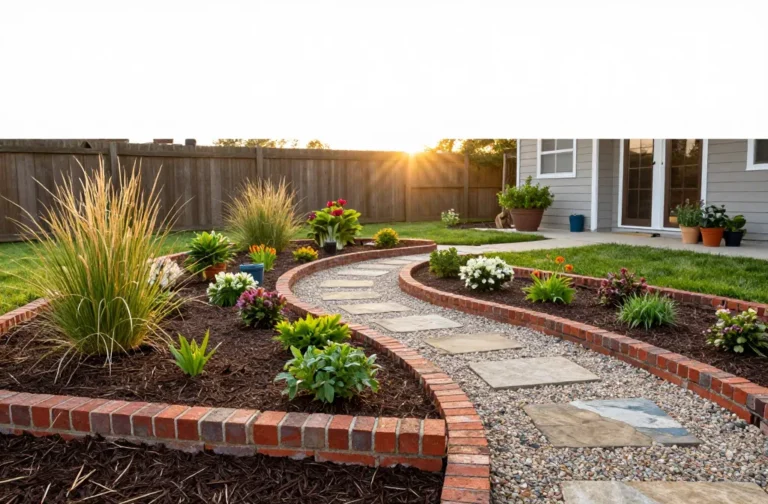
3. Go Classic With Brick Soldier Courses
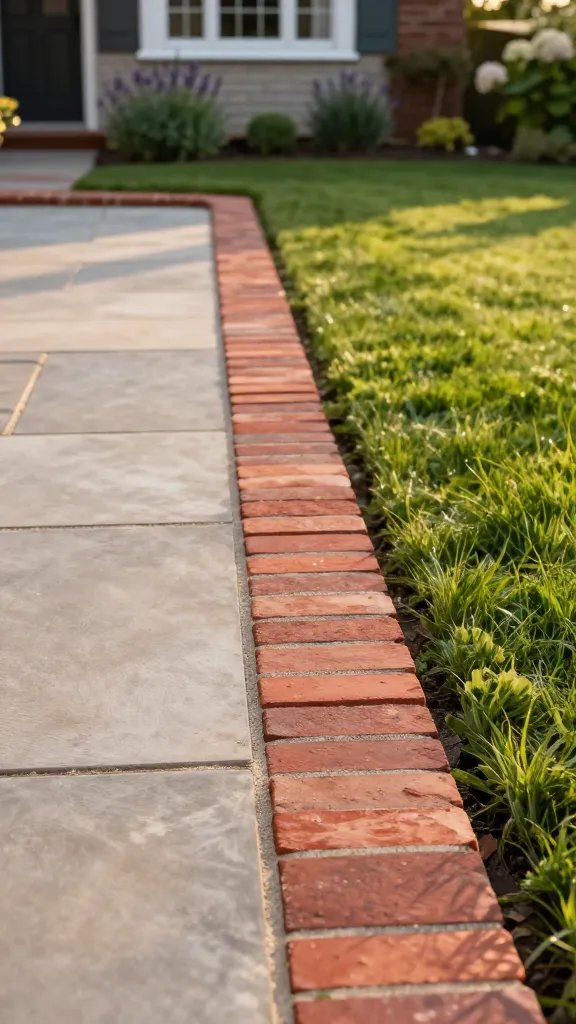
Bricks in a single “soldier course” line make any patio look instantly finished. It’s timeless, durable, and pretty forgiving—even if your lines aren’t laser straight.
Tips
- Choose clay brick pavers rated for exterior use.
- Set on a compacted sand or mortar bed to lock them in.
- Match or contrast the patio color for drama.
This border suits traditional homes, cottage patios, and anyone who wants character without going overboard. Bonus: bricks create a tidy mowing strip next to lawn.
4. Create a Pollinator Ribbon
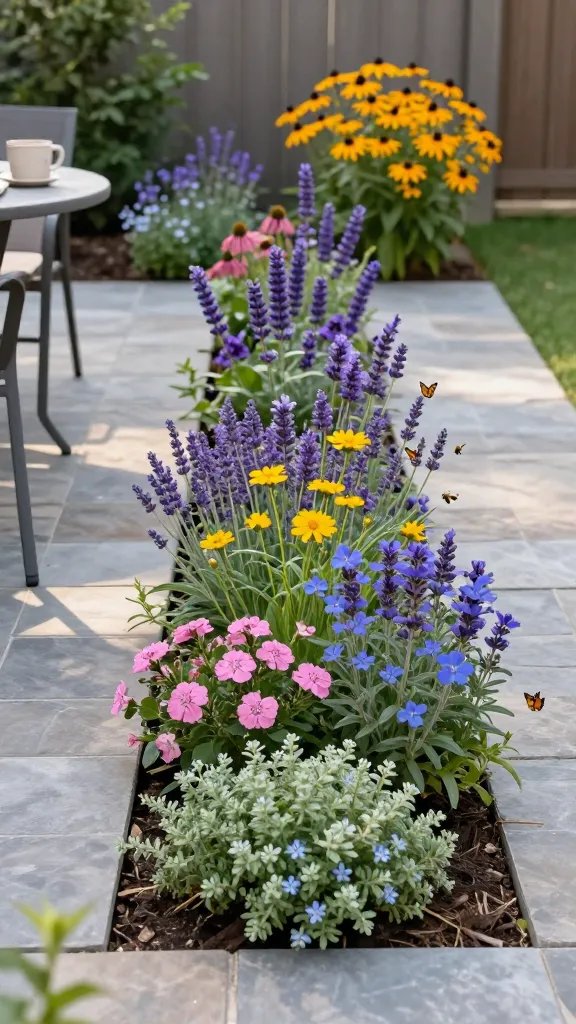
Want a border that’s pretty and purposeful? Plant a slim band of pollinator-friendly blooms. It softens the patio edge and turns every coffee outside into a mini nature show.
Great Plants (By Height)
- Low: creeping thyme, dwarf dianthus, blue star creeper
- Mid: lavender, catmint, coreopsis
- Tall accents: salvia, echinacea, black-eyed Susan
Keep the strip 12–24 inches wide so it feels lush but manageable. You’ll get color across seasons, butterflies galore, and a patio that hums—literally. FYI: this shines along walkways and seating zones that need softness.
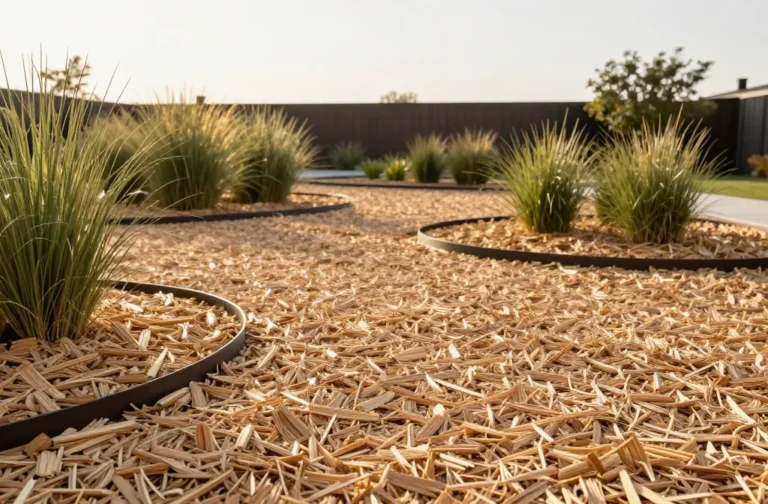
5. Edge With Steel for Razor-Sharp Lines
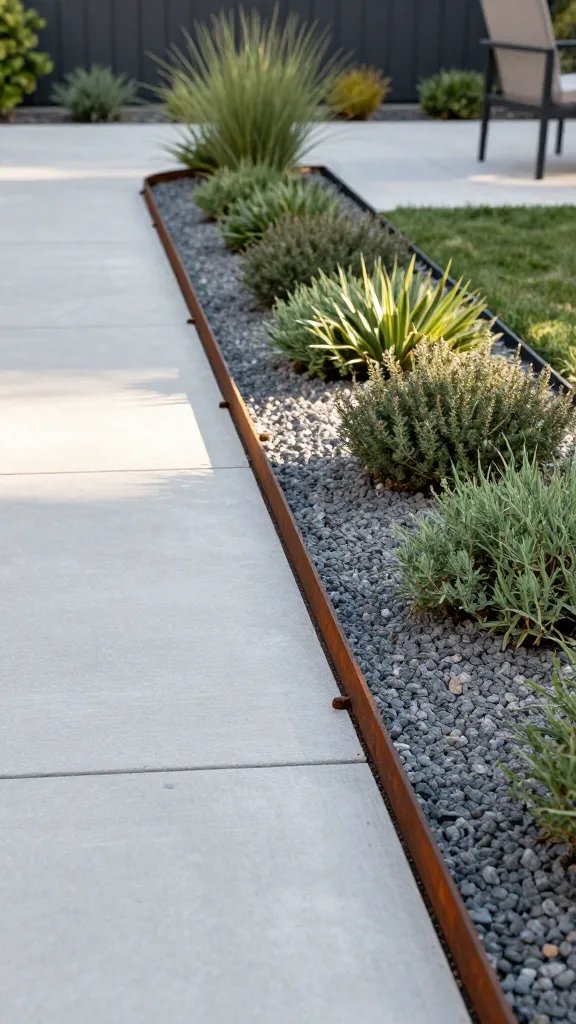
Like your landscaping minimal and clean? Steel edging draws a crisp line between patio and planting beds. It’s subtle from a distance but makes everything look professionally done.
Key Points
- Use corten steel for a warm, rusted look; powder-coated steel for sleek black.
- Stake every 24–30 inches so curves stay tight.
- Pair with fine gravel or compact groundcovers for contrast.
It’s perfect for modern patios, narrow borders, and areas where you want plants to look intentional, not messy. Your future self will thank you every time you edge-mow in five seconds flat.

6. Add a Herb Strip You Can Snip From
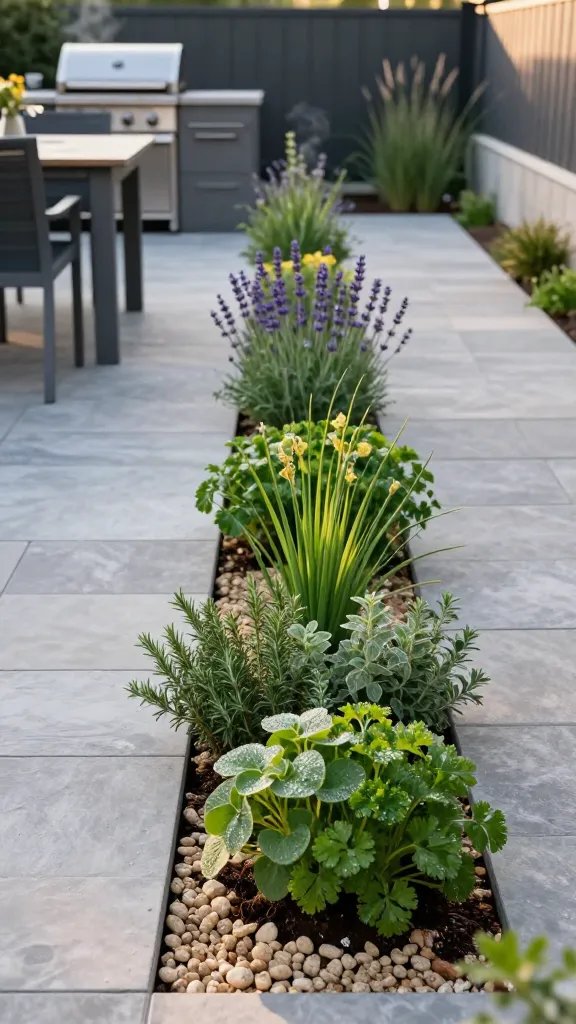
Why not make your border delicious? A narrow band of herbs smells amazing, looks lush, and turns every backyard dinner into a flex. Plus, it stays low enough to keep the patio visible.
Top Picks
- Thyme and oregano for edging and creeping beauty
- Chives and parsley for fresh pops of green
- Lavender and rosemary for structure and scent
Plant in a sunny spot with gritty soil and good drainage. Add a gravel mulch to warm the roots and reduce splashing. This border thrives near dining areas and grills—convenient and cute, IMO.
7. Build a Tiered Border With Retaining Blocks
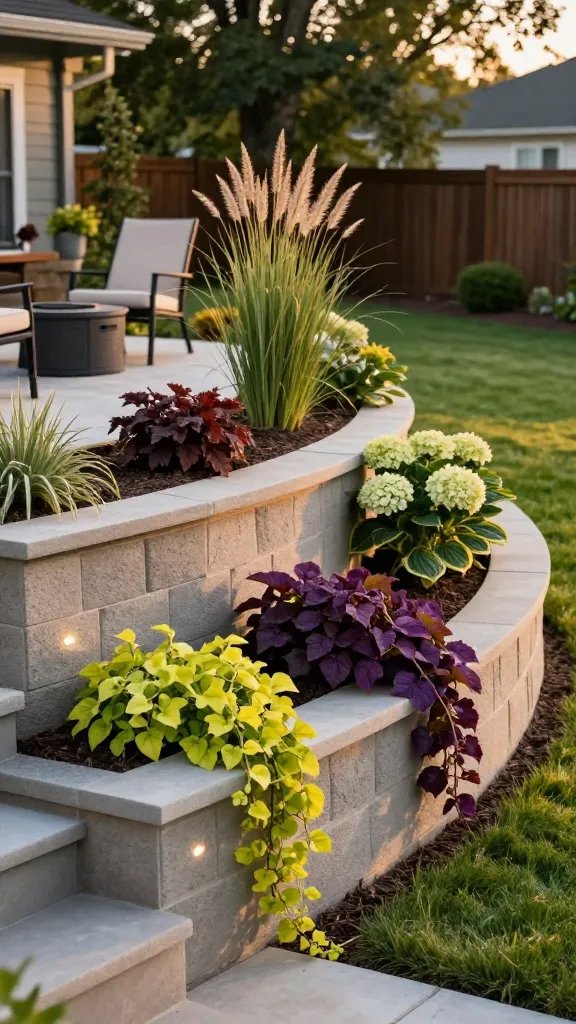
Got a sloped yard or a patio that sits slightly high? Tiered retaining blocks solve grade issues and add gorgeous dimension. You get structure, planting pockets, and a real “designed” look.
How to Layer
- Bottom tier: spillers like creeping jenny or sweet potato vine
- Middle tier: fillers like heuchera, dwarf hydrangea, or hosta (shade)
- Top tier: thrillers like ornamental grasses or dwarf shrubs
Use concrete block systems with caps for a polished finish. It’s great along patios that meet slopes, or anywhere you want a dramatic edge that doubles as seating.
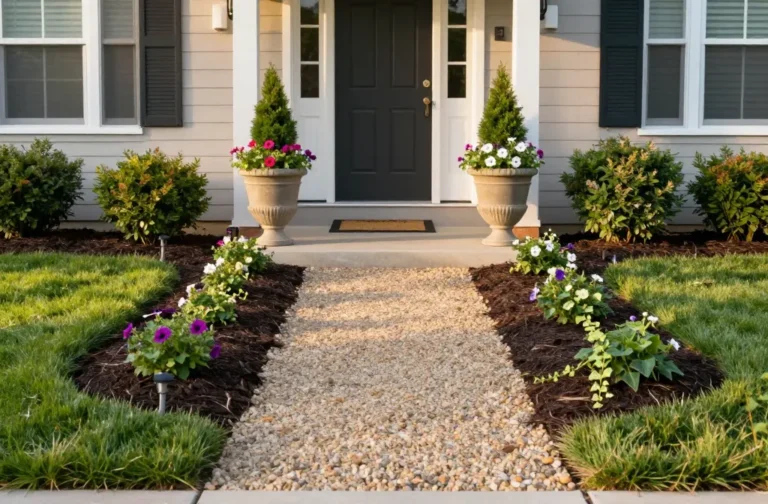
8. Lay a Permeable Gravel Trench
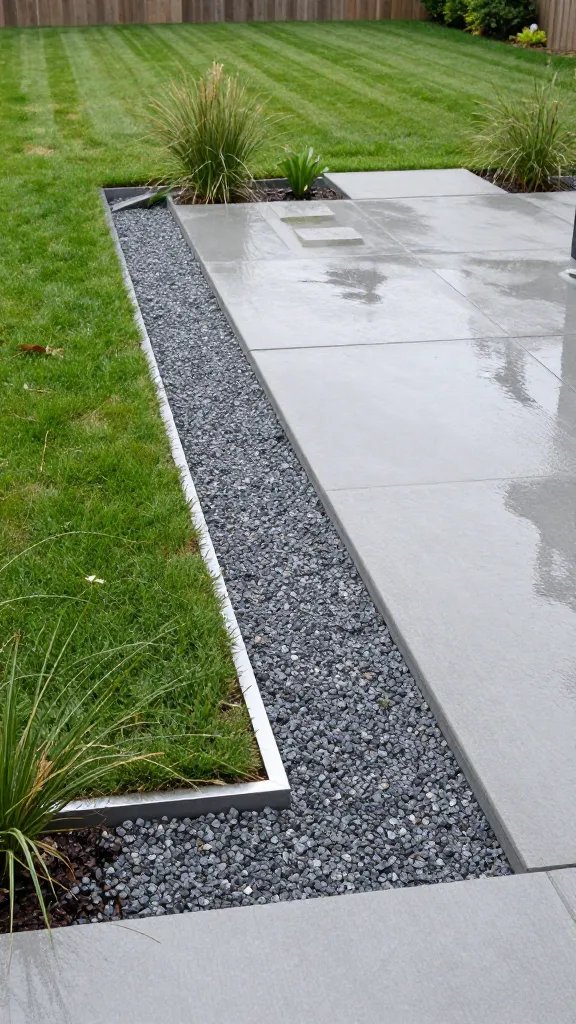
Water pooling where the patio meets the lawn? A slim gravel trench border looks intentional while boosting drainage. It also creates a subtle visual break that makes hardscape pop.
Materials
- 3/4-inch crushed stone base for drainage
- Pea gravel or decomposed granite for the top layer
- Aluminum or steel edging to keep everything tidy
Make it 8–12 inches wide and slightly below the patio level. Add stepping stones if you want a narrow maintenance path. This border shines in rainy climates and around patios without gutters nearby.
9. Play With Pavers and Groundcovers
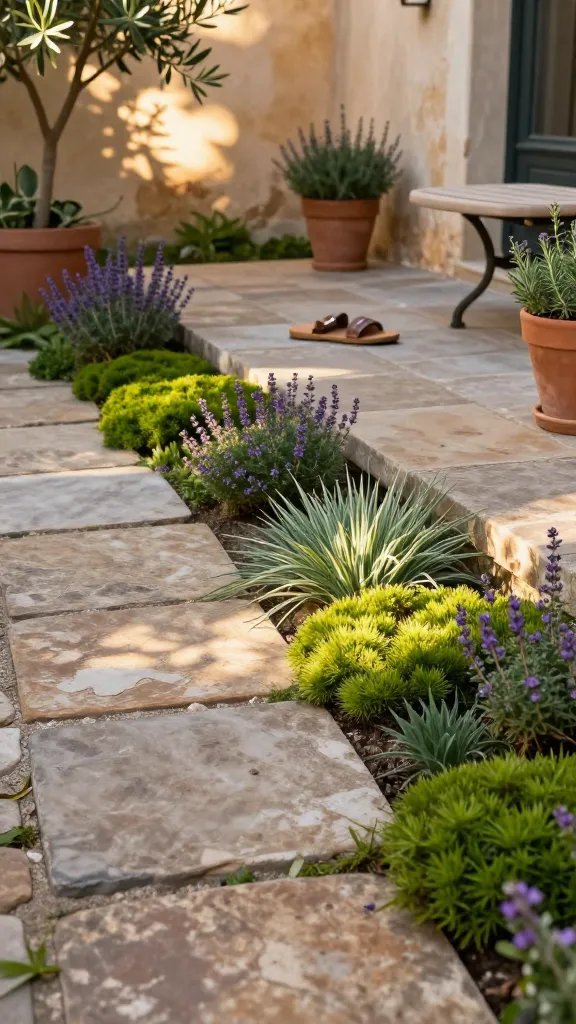
Want charm on a budget? Tuck tough groundcovers between pavers or stepping stones around your patio edge. It softens the look and adds that “European courtyard” feel—minus the airfare.
Best Groundcovers
- Irish moss or Scotch moss for cushy green texture
- Creeping thyme for scent and bee-friendly blooms
- Dymondia for hot, dry climates
Keep gaps 2–4 inches wide and use a sand/compost mix to encourage rooting. It’s perfect for patios you walk barefoot on, or areas that need softness without height.
10. Light the Edge With Low-Voltage LEDs
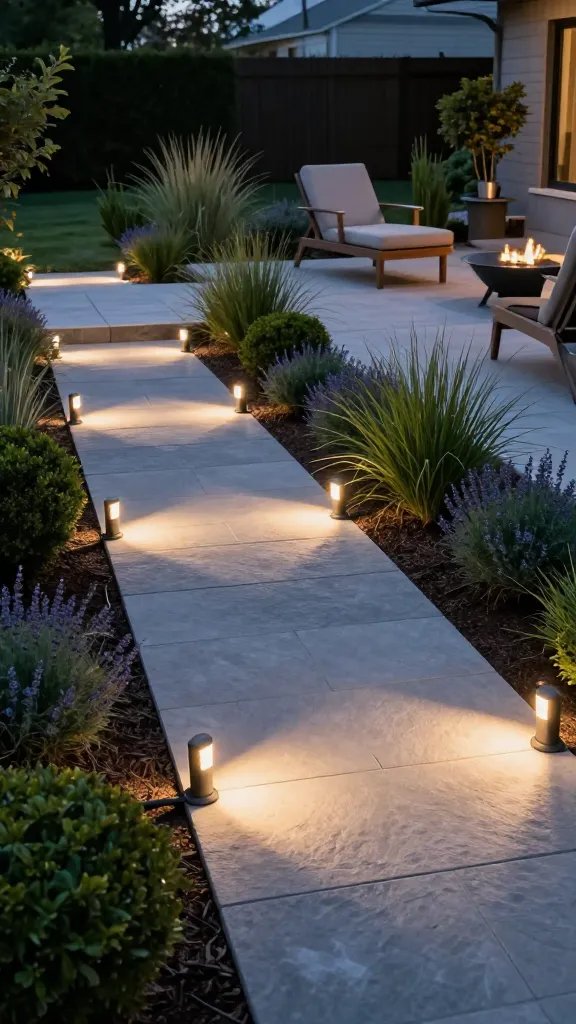
Nothing says “finished” like lighting that outlines your patio at night. Low-voltage LED edging lights add glow, safety, and serious ambiance without screaming “runway.”
Placement Tips
- Space path lights 6–8 feet apart for even pools of light.
- Use in-ground pucks for a minimalist, modern edge.
- Add warm white (2700–3000K) for cozy, not clinical, vibes.
Hide wires under mulch or in conduit along the border. It’s a must for evening entertaining, tricky steps, or patios that deserve the spotlight—literally.
11. Go Wild(ish) With a Native Plant Sweep
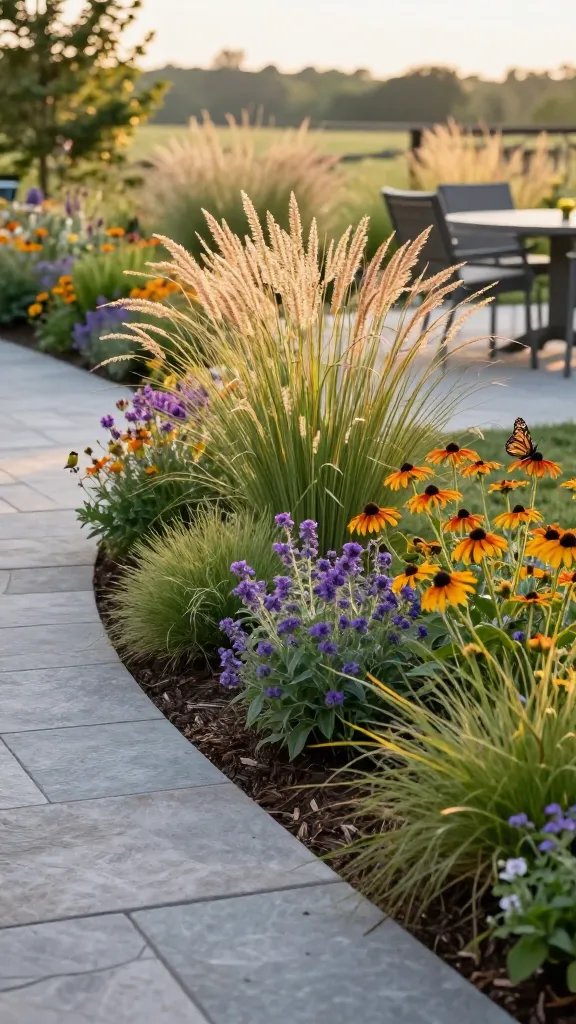
Crave a natural, low-water look that still feels curated? A sweep of native perennials and grasses creates a soft, meandering edge that frames your patio in color and texture. It attracts local wildlife without turning into a jungle—if you plan it right.
Design Moves
- Plant in drifts of 3–7 for a cohesive rhythm.
- Mix fine and bold textures—think prairie dropseed with coneflower.
- Use a mown or mulched strip 12 inches wide along the patio to keep it tidy.
This border works in larger yards, naturalistic designs, and spots you don’t want to babysit. You’ll get four-season interest and a yard that actually supports the ecosystem—seriously, win-win.
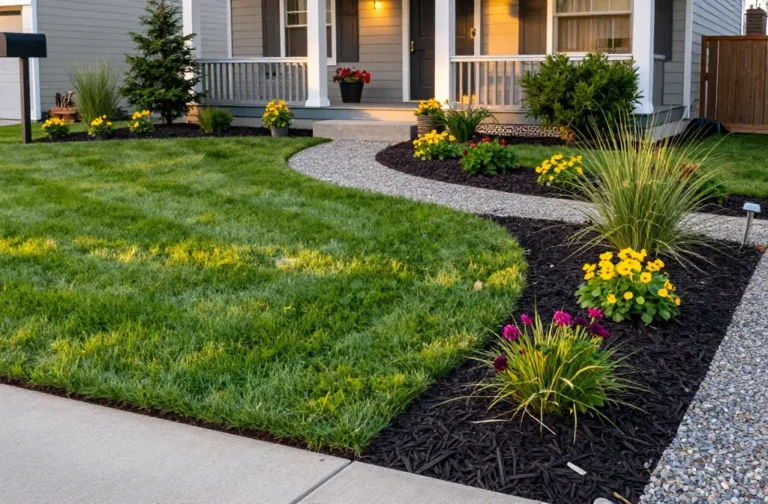
1. Soften With Curved Mulch Beds and Shrub Layers
Hard edges can feel, well, hard. Curved mulch beds with layered shrubs melt those lines and add depth. You’ll turn a flat patio into a lush scene without needing a gardener on speed dial.
Layering Formula
- Back row: medium shrubs like dwarf viburnum, inkberry holly, or spirea
- Middle row: hydrangea, abelia, or compact nandina
- Front row: low mounding plants like lavender, salvia, or heuchera
Keep curves generous and avoid tiny wiggles. Mulch 2–3 inches deep to lock in moisture and keep weeds away. This approach makes patios feel integrated with the yard, not just plopped there.
2. Install a Flagstone Ribbon With Mossy Filler
Want storybook charm without the fuss of a full stone path? A narrow flagstone ribbon around the patio gives texture and a soft, organic feel. Add moss or thyme between stones for chef’s-kiss vibes.
What to Use
- Irregular flagstone in blues, grays, or warm tans
- Polymeric sand or soil mix depending on your filler
- Irish moss or creeping thyme if you want green joints
Space stones 1–2 inches apart for delicate green lines. It shines in cottage gardens, shady nooks, and around water features. You’ll get contrast, texture, and a built-in invitation to wander.
3. Add a Raised Planter Border You Can Sit On
Double-duty design? Yes please. A low, raised planter border frames the patio and offers built-in seating for parties and plant gawking.
Build Notes
- Height sweet spot: 16–18 inches with a 12-inch cap for sitting
- Materials: stone veneer, brick, or smooth concrete
- Plant mix: evergreen backbone with seasonal color changes
It’s perfect for small patios that need extra seating or definition. Add LED strip lights under the cap for a soft evening glow. Your guests will never know you planned it for the Instagram angle.
4. Use Recycled Timber or Sleepers for Rustic Edges
Want warmth and texture without breaking the bank? Reclaimed timber or sleepers give your border that earthy, cabin-meets-modern vibe. The wood sets a cozy tone and pairs with gravel, lawn, or plantings.
Pro Tips
- Choose naturally rot-resistant wood like cedar or locust if possible.
- Stake or spike the sleepers so they don’t shift.
- Seal or oil if you want to slow patina, or let it weather gracefully.
Great for rustic patios, fire pits, and spots where you want a relaxed, tactile edge. It adds warmth that stone alone can’t deliver.
5. Plant a Succulent and Cactus Fringe (Dry Climates)
Live somewhere dry? Lean in. A slim band of succulents and small cacti along the patio looks sculptural, modern, and ridiculously low-maintenance.
Plant Palette
- Low growers: sedum, ice plant, blue chalksticks
- Accents: agave parryi, golden barrel cactus (where safe)
- Filler: crushed granite or black lava rock
Keep spacing generous so each plant can shine. Add boulders for height and drama. This border excels in sun-soaked, xeriscape-friendly yards and around concrete or porcelain paver patios.
6. Define With Large Format Paver Bands
Want a designer trick that looks expensive without the drama? Outline your patio with a single course of larger pavers in a contrasting tone. It creates a “frame” that instantly looks high-end.
How-To
- Choose a color contrast that complements your main surface.
- Use 24×12 or 24×24 pavers for a bold, modern border.
- Set on the same base as the patio for stability.
This works especially well around porcelain or concrete patios. Clean, graphic, and so satisfying for symmetry lovers.
7. Add a Mulch-and-Boulder Combo for Natural Drama
Don’t underestimate the power of a few well-placed boulders along a mulched edge. They anchor the space, create focal points, and make small plantings look intentional.
Boulder Basics
- Use odd numbers and vary sizes for a natural look.
- Set 1/3 into the soil so they feel grounded, not plopped.
- Pair with grasses, juniper, or heuchera for contrast.
Great for transitions into natural areas, hillsides, or woodland edges. You’ll get earthy texture without the maintenance of dense plantings.
8. Create a Seasonal Color Band With Annuals
Want instant impact with zero patience? A slim strip of annuals keeps the patio edge vibrant all season. Swap colors as your mood changes—because you can.
Planting Plan
- Spring: pansies, alyssum, snapdragons
- Summer: petunias, calibrachoa, lantana
- Fall: mums, ornamental kale, dusty miller
Use a slow-release fertilizer and pinch back leggy growth. Perfect for entertaining spaces and front-yard patios where you want a show, not a whisper.
9. Hide the Edge With a Mini Privacy Hedge
Need a little visual buffer? A compact hedge gives privacy without turning your patio into a bunker. You’ll get a lush border and a soft screen in one move.
Great Choices
- Box honeysuckle, dwarf yaupon, or inkberry holly for evergreen structure
- Hydrangea or spirea for seasonal blooms
- Bamboo clumping varieties for height without takeover
Keep it 18–36 inches from the patio edge so you still have breathing room. Ideal along neighbor-facing sides or near dining areas where you want a cozy vibe.
10. Weave in Decorative Metal Screens and Vines
Want instant art along your border? Add narrow metal trellises or laser-cut screens and train vines up them. You get vertical interest without eating into your patio space.
Vine Pairings
- Star jasmine for fragrance and evergreen leaves
- Clematis for showy flowers and color variety
- Grape or hops for a lush, fast-growing cover
Place screens 6–12 inches behind the patio edge for airflow. It’s a killer move for tight yards where horizontal space feels scarce but style doesn’t.
11. Line With Planter Boxes for a Flexible Border
Commitment issues? Same. Planter boxes let you test layouts, swap plants seasonally, and move things when you want a change. They also add height and texture with zero digging.
What to Look For
- Weatherproof materials: fiberglass, powder-coated steel, or cedar
- Self-watering inserts to keep maintenance low
- Consistent color palette for a cohesive look
Stagger box sizes for interest and mix thriller/spiller/filler plants. This border works perfectly on rental patios, rooftops, or anywhere you want big impact without a shovel.
Ready to level up your patio’s edges? Pick one idea, start small, and watch the whole space feel dialed-in. Your patio deserves a frame as good as the picture—go make it happen, and invite friends over to brag a little after. Trust me, they’ll notice.